VENTURA
  • Cultura
    • Videojuegos
    • Arte
    • Cine
    • Series
    • Literatura
    • Música
  • Divulgación
    • Geografía
    • Historia
    • Geopolítica
    • Seguridad
    • Desarrollo y Medio Ambiente
    • Ciencia y Tecnología
    • Economía
    • Religión y Teología
  • Educación
    • Historia
      • Historia (Secundaria)
        • Actividades y proyectos
        • Prehistoria
        • Historia Antigua
        • Antigua Grecia
        • Antigua Roma
        • Edad Media
        • Edad Moderna
        • UD 1 – Antiguo Régimen e Ilustración
        • UD2 – Liberalismo y nacionalismo
        • UD3 – Revolución Industrial
        • UD4 – España: S.XIX
        • UD5 – Imperialismo y 1ª GM
        • UD6 – Periodo de entreguerras
        • UD7 – Revolución rusa
        • UD8 – 2ª Guerra Mundial
        • UD9 – España: primer tercio S.XX
        • UD10 – Guerra Fría
        • UD11 – España: desde 1939
        • UD12 – El Tercer Mundo
        • UD13 – Un mundo en transformación
      • Historia (Bachillerato)
        • Edad Moderna
        • Edad Contemporánea
        • Liberalismo
        • La Restauración
        • Segunda República y Guerra Civil
        • Historia y Cultura de Aragón
    • Geografía
      • Geografía (Secundaria)
        • Actividades y proyectos
        • UD1 – La Geografía, una ciencia total
        • UD2 – Organización del territorio
        • UD3 – Geoeconomía y Geopolítica
        • UD4 – Sector primario
        • UD5 – Sector secundario
        • UD6 – Sector terciario
        • UD7 – Geografía de la población
        • UD8 – Geografía urbana
        • UD9 – Desarrollo y medioambiente
      • Geografía (Bachillerato)
        • Geografía de la Población
        • Geografía Urbana
        • Geografía Rural
        • Geografía Económica
        • Desarrollo y medioambiente
        • > Acceso a la Universidad
          • > > > Materiales para la EvAU 2024
          • > > > Materiales para la PAU 2025
      • Geografía (Universidad)
        • Geografía de la Población
        • Geografía de Hispanoamérica
        • Seminario para docentes
    • Bilingüe
      • History
      • Geography
    • Filosofía
      • 0. Listado de filósofos
      • 1. Los presocráticos y el arché
      • 2. Todo Platón
      • 3. Todo Aristóteles
      • 4. Todo Santo Tomás de Aquino
      • + El concepto de ‘sustancia’
      • + Filosofía en ‘Matrix’
    • Literatura
      • Ilustración y Romanticismo
      • Realismo
      • Generación del 27
      • El teatro
      • Literatura en el siglo XX
    • Historia del Arte
      • Pintura
      • Escultura
      • Arquitectura
    • Ciudadanía y Valores Éticos
    • Inglés
  • Reflexión
    • Reflexión sobre la Realidad
    • Reflexión sobre la Sociedad
  • AUTOR
  • BLOG
  • IDVA
  • RECURSOS
  • BMVA
  • LIBROS
  • VEN
  • MÁS
VENTURA
  • Divulgación
  • Cultura
  • Educación
  • Reflexión
  • Urban Geography

Lesson 803 – Urbanization: processes and problems

  • 10 abril, 2014
  • 3.8K views
  • VENTURA Educación

United Nations estimate that 2007 was the exact year the World became urban. From that moment on, more people in the World lived in cities than in rural areas. Around 1800, less than 10% of global population lived in urban areas. In 2017, that figure had risen up to 55%.

This graph shows how the world’s urban population has increased over time. In the past, most people lived in rural areas and worked in agriculture. However, during the last two centuries, cities have grown rapidly. This process is called urbanization, and it has completely changed the way people live, work and move around the world.

The Industrial Revolution was an important turning point in urbanization. During the 19th century, factories created thousands of jobs in cities, attracting people from rural areas. This movement of people is called rural-to-urban migration. Cities such as London, Manchester and New York experienced enormous population growth and became major industrial and economic centres.

Urbanization is not the same everywhere. In highly urbanized regions, such as North America and much of Europe, most people already live in urban areas. In many African and Asian countries, the urban population is growing very quickly. These differences are related to economic development, industrialization, population growth and the availability of jobs and services.

There are two main reasons why urban populations grow. The first is migration, when people move from rural areas to cities in search of jobs, education and better opportunities. The second is natural population growth, when the number of births is greater than the number of deaths. Both processes explain why many cities continue to expand every year.
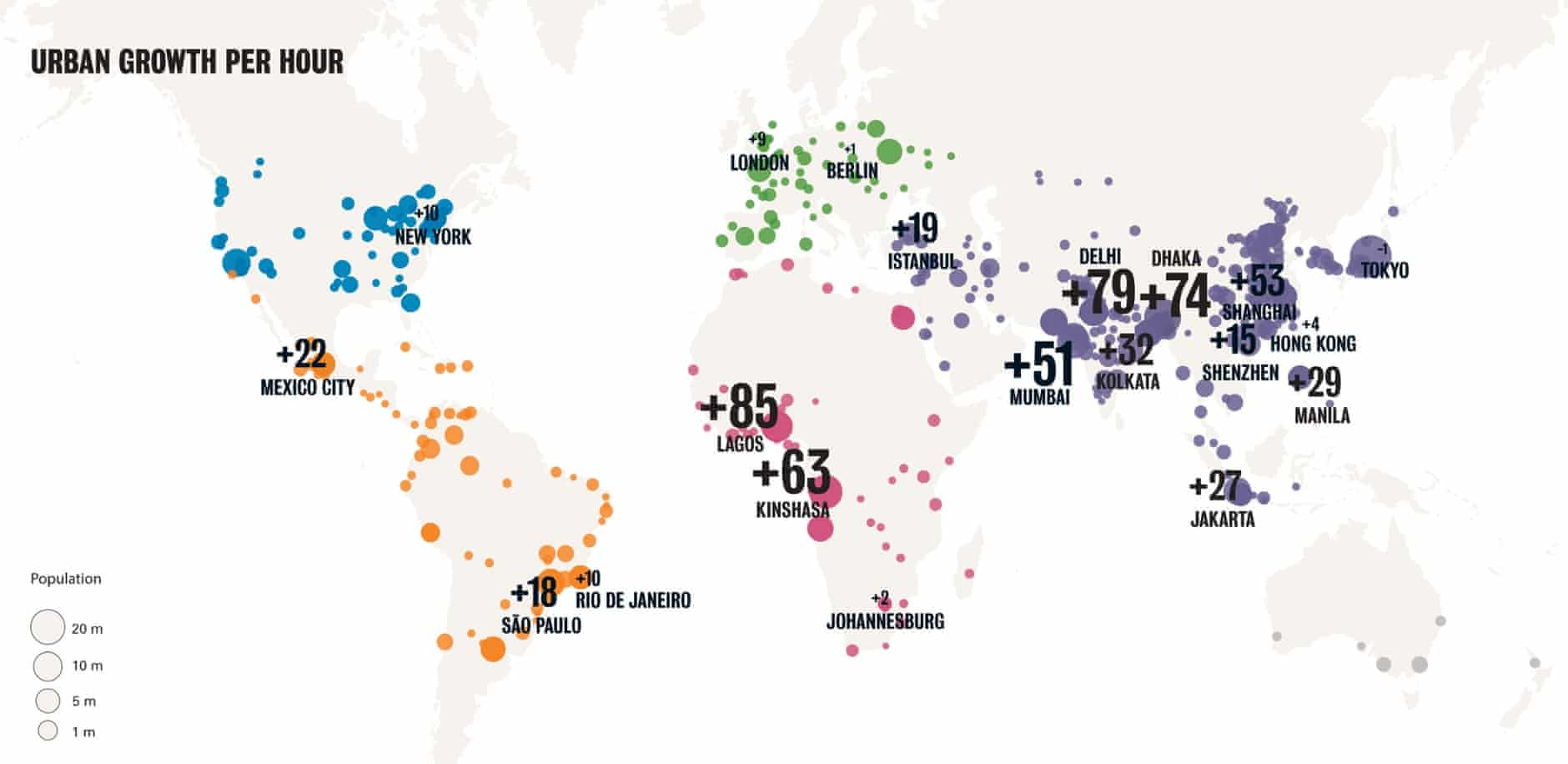
The map illustrates the rapid growth of cities in different parts of the world at the time the infographic was created. Cities such as Lagos, Kinshasa, Mumbai and Dhaka were gaining new inhabitants very quickly. This growth creates opportunities for economic development, but it also increases the demand for housing, transport, schools, hospitals and other basic services.

As cities grow, they often expand beyond their original boundaries. This process is known as urban sprawl, when buildings, roads and residential areas spread into the surrounding countryside. Another important process is suburbanization, which happens when people move from city centres to residential areas on the outskirts. These changes transform the landscape and increase the importance of transport networks.

Some urban areas have become megacities, with more than 10 million inhabitants. Cities such as Tokyo, Delhi and São Paulo are important centres of economic, political and cultural activity. They attract people, businesses and investment from around the world. However, their enormous size also creates serious challenges, especially when population growth is faster than the development of infrastructure and public services.

Problems and challenges in urban areas

Although cities offer many opportunities, rapid urbanization can also create serious problems. One of the most important is the lack of affordable housing. When urban populations grow faster than the number of available homes, housing prices and rents can increase. As a result, many families struggle to find a safe and comfortable place to live.

Another major challenge is the pressure on urban infrastructure and public services. Growing cities need more schools, hospitals, roads, water supplies and electricity networks. When governments cannot provide these services quickly enough, some neighbourhoods suffer from overcrowding, poor sanitation and limited access to basic facilities.
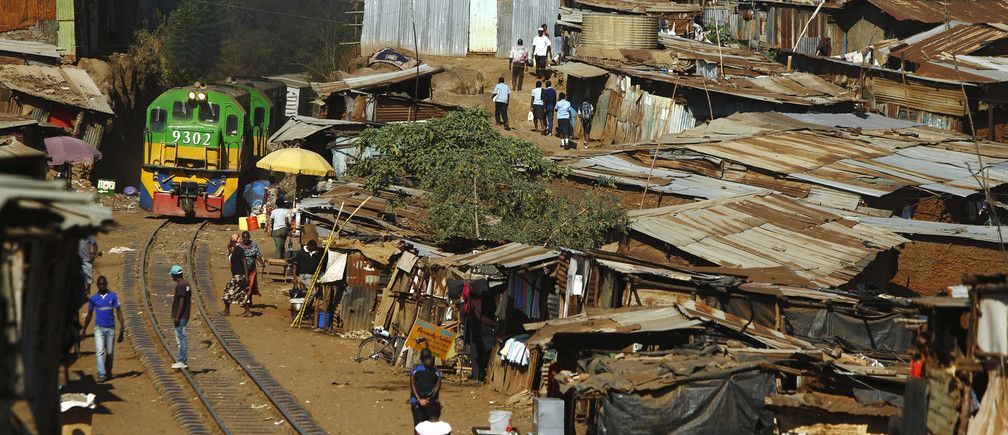
In many rapidly growing cities, some people live in informal settlements, where housing has often been built without official planning or secure land rights. These neighbourhoods may lack clean water, sanitation, electricity or safe roads. Informal settlements can be found in cities such as Mumbai, Nairobi and Rio de Janeiro. Improving living conditions in these areas is one of the main challenges of urban development.

Social inequality is another important urban problem. Wealthy and low-income families often live in very different neighbourhoods, with unequal access to services and opportunities. This separation is called residential segregation. In some areas, a process known as gentrification can increase housing prices and force lower-income residents to move to more affordable neighbourhoods.

Poor housing conditions can also create serious health and environmental risks. Overcrowding, polluted water and inadequate waste collection can increase the spread of diseases. In addition, some neighbourhoods are particularly vulnerable to floods, extreme heat and other natural hazards. Improving housing, infrastructure and environmental protection is essential to creating safer cities.
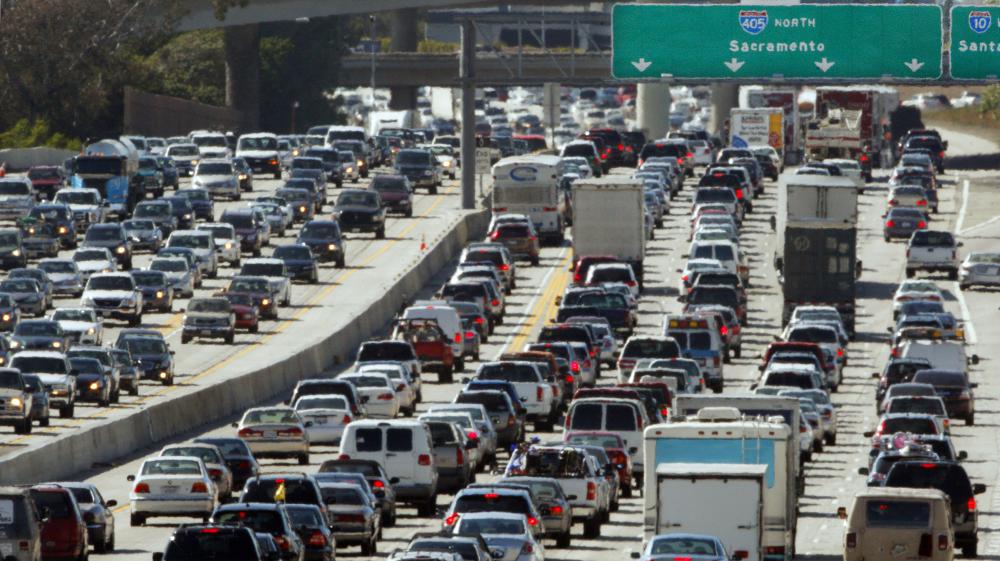
Traffic congestion is one of the most common problems in large cities. Every day, millions of people travel to work, school or other activities. When too many vehicles use the same roads, traffic jams become frequent. This causes longer journeys, stress, noise and economic losses. In cities with limited public transport, dependence on private cars makes the problem even worse.

Urban transport is also a major source of air pollution. Cars, buses and trucks release gases and particles that can damage human health and contribute to climate change. Cities also consume large amounts of energy and produce enormous quantities of waste. Protecting green spaces and reducing pollution are essential for improving the urban environment.

To solve these problems, cities need sustainable urban planning. Governments can invest in affordable housing, efficient public transport, cycling lanes, parks and better public services. They can also promote renewable energy and improve waste management. The main goal is to create cities that are more inclusive, environmentally friendly and enjoyable for everyone.

LEARN MORE!

➡️ El poder de las ciudades globales

➡️ Una ciudad, dos mundos

➡️ Las ciudades

➡️ Favelas en Río de Janeiro

➡️ El espacio urbano: un análisis general

➡️ Megalópolis, los espacios urbanos más grandes del mundo

VENTURA Educación

VENTURA Educación es un proyecto de VENTURA para crear materiales y apuntes de Historia, Literatura, Geografía, Inglés, Filosofía e Historia del Arte. Estudiantes y profesores pueden plantear dudas y pedir contenidos escribiendo a venturaeduca@gmail.com

Ver Publicación
  • Cine

Ciudades de película: las mejores películas por ciudad

  • Juan Pérez Ventura
  • 3 octubre, 2024
Ver Publicación
  • Teorías de la gentrificación

Gentrificación: propuesta de tipología y ejemplos de cada tipo

  • Juan Pérez Ventura
  • 16 junio, 2025
Ver Publicación
  • París

Estadios llenos, casas vacías: París 2024 y la gentrificación

  • Juan Pérez Ventura
  • 11 septiembre, 2024
Ver Publicación
  • Arte

Las fachadas de Salamanca

  • Juan Pérez Ventura
  • 16 mayo, 2024
Ver Publicación
  • Religión

El debate central en el cristianismo: Jesús, ¿Hijo de Dios o Dios?

  • Juan Pérez Ventura
  • 1 agosto, 2024
Ver Publicación
  • Economía

El siglo de China: presencia en la economía global

  • Juan Pérez Ventura
  • 18 diciembre, 2024
Ver Publicación
  • Arte
  • Literatura
  • Religión

Bajando al Infierno (I): las legiones de Astaroth

  • Juan Pérez Ventura
  • 26 septiembre, 2024
Ver Publicación
  • Ciudad global y capitalismo avanzado

El Central Business District (CBD), el corazón económico de las ciudades

  • Juan Pérez Ventura
  • 22 noviembre, 2024
Social Accounts
Facebook Likes
Twitter Followers
Instagram Followers
LinkedIn Followers
  • La industria musical: de los discos de oro a las descargas digitalesLa industria musical: de los discos de oro a las descargas digitales
    Bajando la calle con el discman colgando del cinturón, un joven cualquiera de los años noventa iba escuchando música recién comprada en la tienda de discos. Unos años después, el reproductor de CDs cogía…
  • Phil Collins, del génesis al estrellatoPhil Collins, del génesis al estrellato
    En las Navidades de 1956 Papá Noel regaló una batería de juguete al pequeño Phil. Lo que pasó después te sorprenderá… Aunque Hounslow era un suburbio desconocido y apartado, nacer a…
  • El Festival de Bath: Blues y rock progresivoEl Festival de Bath: Blues y rock progresivo
    En la historia de la música existe un breve periodo de tiempo de difícil acotación que tuvo lugar más o menos entre 1964 y 1974, hacia finales de los sesenta y…
  • La Guerra de Sucesión CastellanaLa Guerra de Sucesión Castellana
    Capítulo 1. La muerte del rey El invierno de 1474 había sido especialmente frío en Castilla. Los campos yermos y las calles empedradas de Madrid estaban cubiertos por una fina…
  • Los diferentes métodos en ciencias sociales: seis enfoques para comprender la realidadLos diferentes métodos en ciencias sociales: seis enfoques para comprender la realidad
    Las ciencias sociales nacieron con una ambición tan antigua como la curiosidad humana: entender por qué las personas actúan como actúan y qué fuerzas moldean la vida en común. Desde…
  • Introducción al concepto de desarrolloIntroducción al concepto de desarrollo
    El desarrollo es un concepto histórico que ha ido evolucionando, por lo que no tiene una definición única. Aun así, se puede decir que desarrollar es el proceso por el…
  • Le Marais: historia de un barrioLe Marais: historia de un barrio
    El Marais, uno de los barrios más antiguos y singulares de París, se despliega hoy en día sobre la margen derecha del Sena, entre el Hôtel de Ville y la…
VENTURA
  • AUTOR
  • BLOG
  • IDVA
  • RECURSOS
  • BMVA
  • LIBROS
  • VEN
  • MÁS
venturacontenidos@gmail.com

Ingresa las palabras de la búsqueda y presiona Enter.