Lagos is a megacity of contrasts, where modern office towers and wealthy neighbourhoods exist next to overcrowded slums and poverty. It is a city that offers opportunities for work, business, and education, attracting thousands of people every year. At the same time, it struggles with challenges such as rapid urban growth, poor infrastructure, environmental problems, and inequality. Studying Lagos helps us understand the complexities of urbanisation in the developing world and the importance of sustainable urban planning, reducing poverty, and providing services for all citizens to improve the quality of life in rapidly growing cities.
Lagos, the fastest-growing city
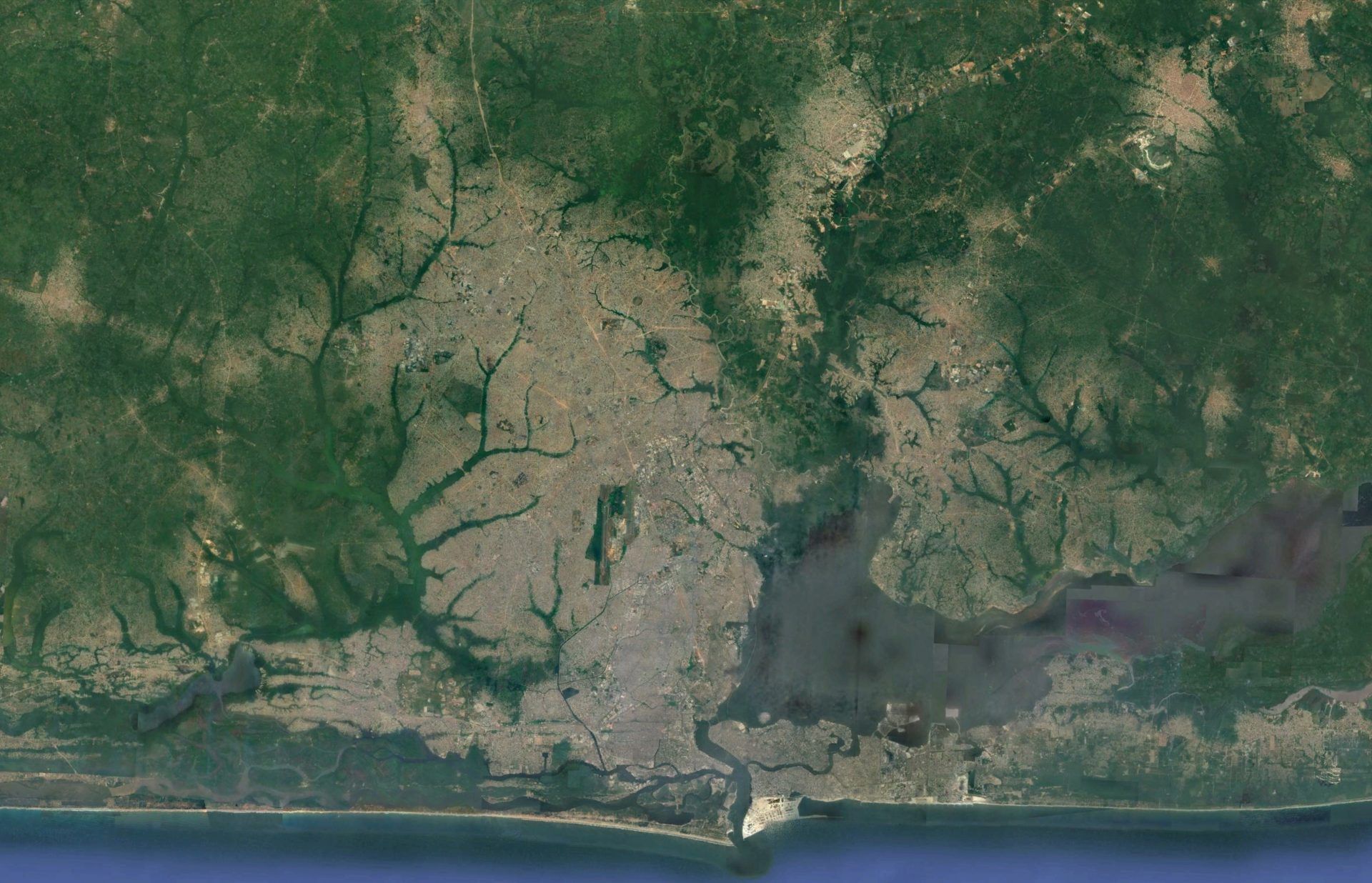
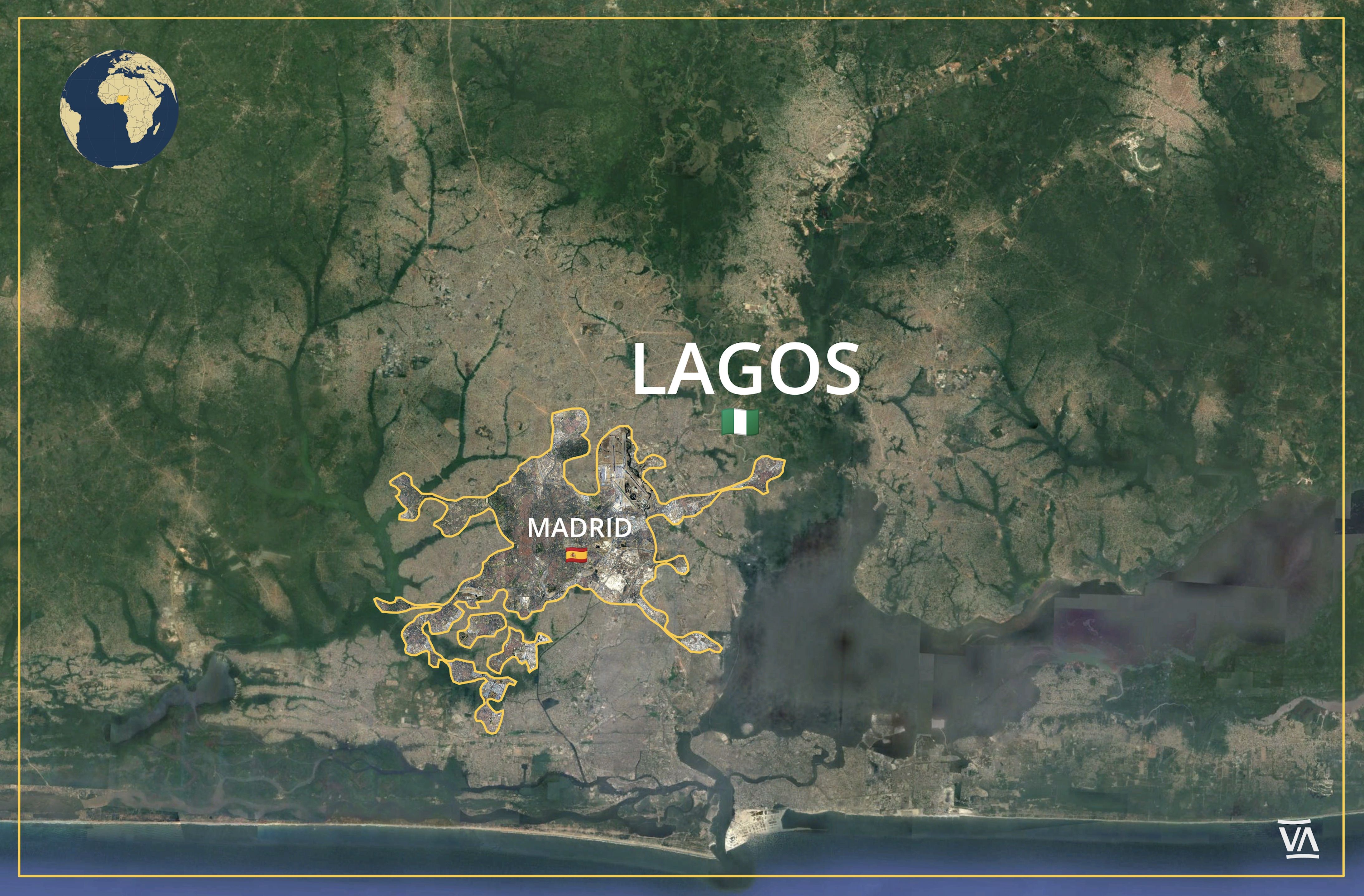
Lagos is located in the southwest of Nigeria, on the coast of the Atlantic Ocean, and it is the largest and most important city in the country. Although it is no longer the official capital (which is now Abuja), Lagos remains the economic, cultural, and transport hub of Nigeria. The city covers a relatively small land area, but it is densely populated, with over 20 million people living in and around Lagos. This makes Lagos one of the world’s megacities, a city with a population of over 10 million people, and it is growing at a rate of around 3-5% each year, one of the fastest in the world.
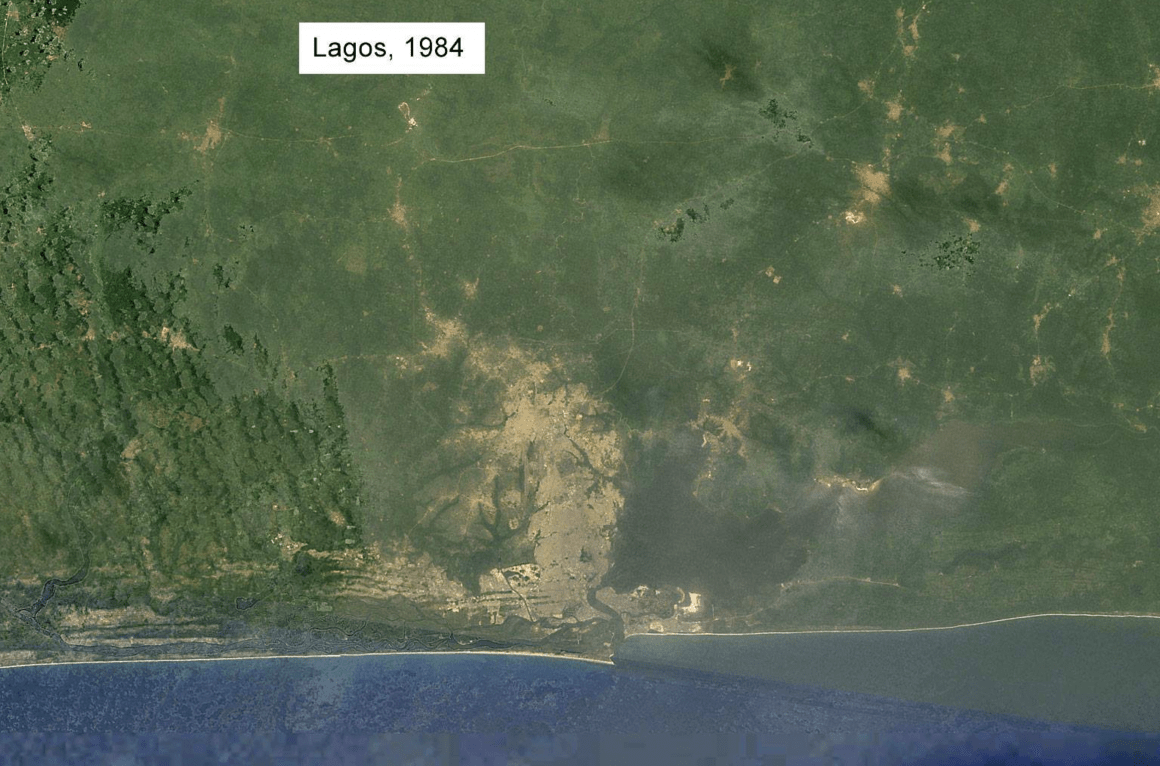
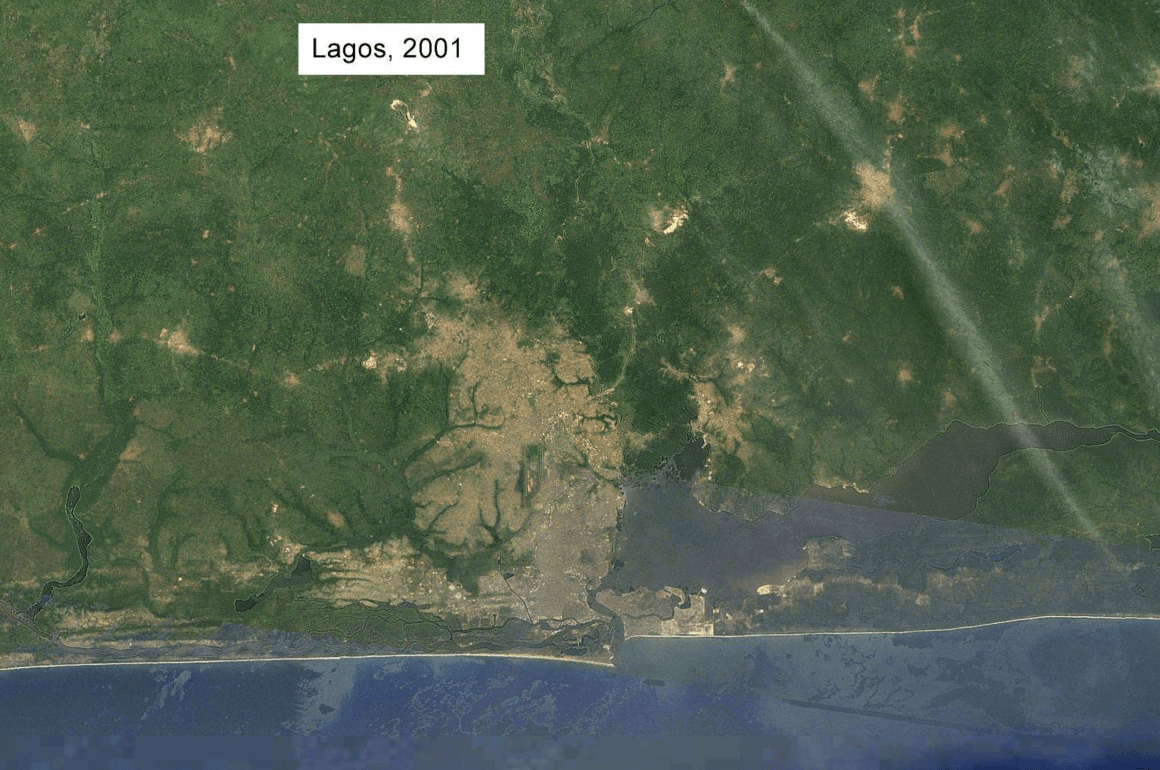
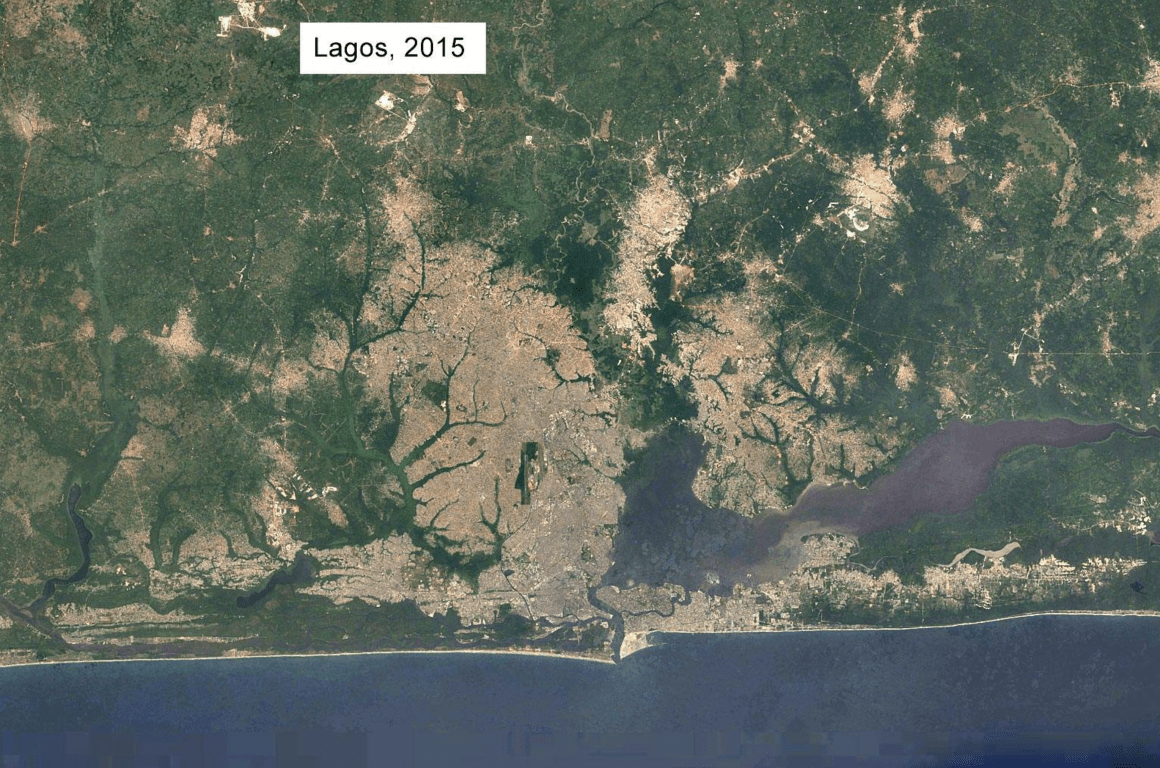
The rapid growth of Lagos is mainly due to high birth rates and rural-to-urban migration. Many people leave rural areas in Nigeria to move to Lagos, searching for better job opportunities, education, healthcare, and a chance to improve their lives. In rural areas, people often face problems like poor soil quality, drought, and lack of services, which push them to migrate to the city. In Lagos, people hope to find work in the industries, markets, or informal sector, even if this means living in crowded conditions. Young people, especially, move to Lagos in large numbers, which creates a youthful population structure in the city.
.
However, Lagos faces serious challenges due to this rapid urbanisation. The infrastructure of the city, such as roads, public transport, water supply, electricity, and waste management, cannot keep up with the growing population. Traffic congestion is a daily problem, with buses, cars, and motorcycles filling the streets, causing delays and air pollution. Public transport is often overcrowded, and many people have to travel long distances to get to work or school. The demand for housing is much higher than the supply, leading to the development of informal settlements and slums, where people live in poor conditions. The city also struggles with managing waste, as rubbish often piles up in the streets, and drainage systems become blocked, increasing the risk of flooding.
Lagos, a city for business
Despite its challenges, Lagos is Nigeria’s economic powerhouse and a centre for business and trade in West Africa. The city produces around 30% of Nigeria’s GDP, and it is the main location for industries, financial services, and trade activities in the country. Lagos has a strategic coastal location with large ports such as Apapa Port and Tin Can Island Port, which are essential for importing and exporting goods, including oil, machinery, food, and cars. The ports and transport activities create many jobs in logistics, shipping, and related services, attracting people who want to work in these sectors.
.
Lagos is also a centre for the oil and gas industry, which is Nigeria’s main source of income. Many national and international oil companies have offices in Lagos, providing high-paying jobs and attracting skilled workers. The city is also home to the banking and finance sector, with many banks, insurance companies, and investment firms operating in modern office buildings in areas like Victoria Island and Ikoyi. These areas are well-developed, with good infrastructure, shopping centres, restaurants, and entertainment facilities, showing the modern and wealthy side of Lagos.
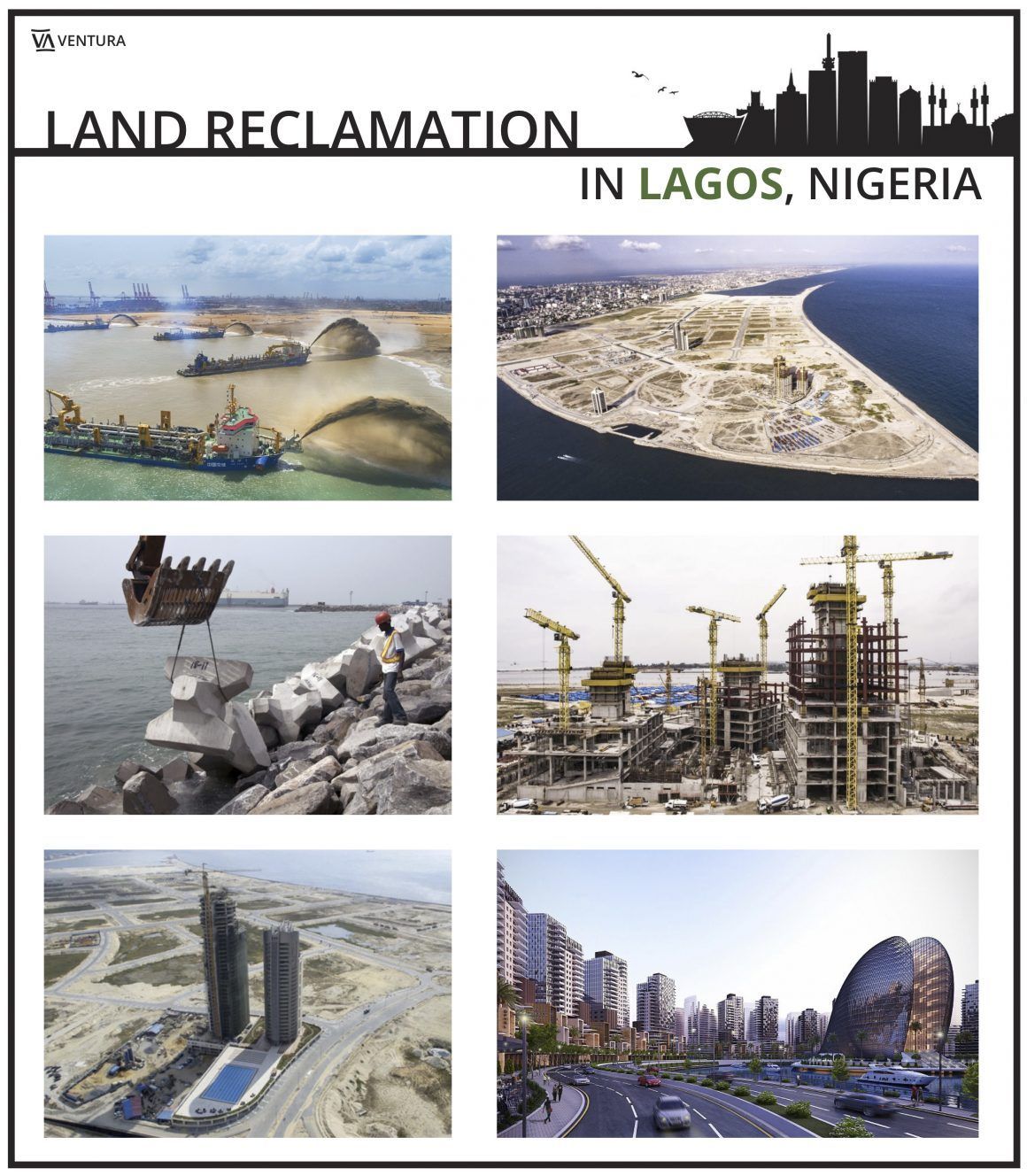
In addition, Lagos has a growing technology sector and is becoming a hub for innovation in Africa. The area known as “Yabacon Valley” is famous for its tech startups, creating jobs in software development, digital services, and creative industries. Lagos is also the centre of Nigeria’s film industry, known as Nollywood, which is the second-largest film industry in the world by the number of films produced. Nollywood provides jobs for actors, producers, editors, and technicians, and contributes to the cultural and economic life of the city. All these activities show that Lagos is a city of business opportunities, but these opportunities are not equally accessible to everyone, and many people still face challenges in finding secure, well-paid jobs.
Lagos, a city of poverty
Although Lagos is a centre for business and wealth, it is also a city of extreme poverty and inequality. Many people who move to Lagos cannot afford formal housing, so they end up living in slums and informal settlements. It is estimated that over 60% of the population of Lagos lives in slums. These areas are overcrowded, with poorly built houses made from wood, metal sheets, and other cheap materials. There is often no access to clean water, proper sanitation, or reliable electricity, making life difficult for families living there.
.
One of the most well-known slums in Lagos is Makoko, which is built partly on stilts over the water of the Lagos Lagoon. In Makoko, people live in small wooden houses connected by narrow walkways and use canoes to move around the community. There are few schools and health centres, and children often have to work or help their families instead of attending school. Living conditions in Makoko and other slums increase the risk of diseases like cholera, malaria, and respiratory infections, especially because of poor sanitation, polluted water, and overcrowded housing.
When talking about land-grabbing, one Makoko neighbor says: “Lagos Government has seen that the waterfront communities are prime land where they can build the five-star hotels and people can wake up and see the ocean view”. This statement points out that the Government is more concerned with the pleasure of higher classes than with the needs of poor people.
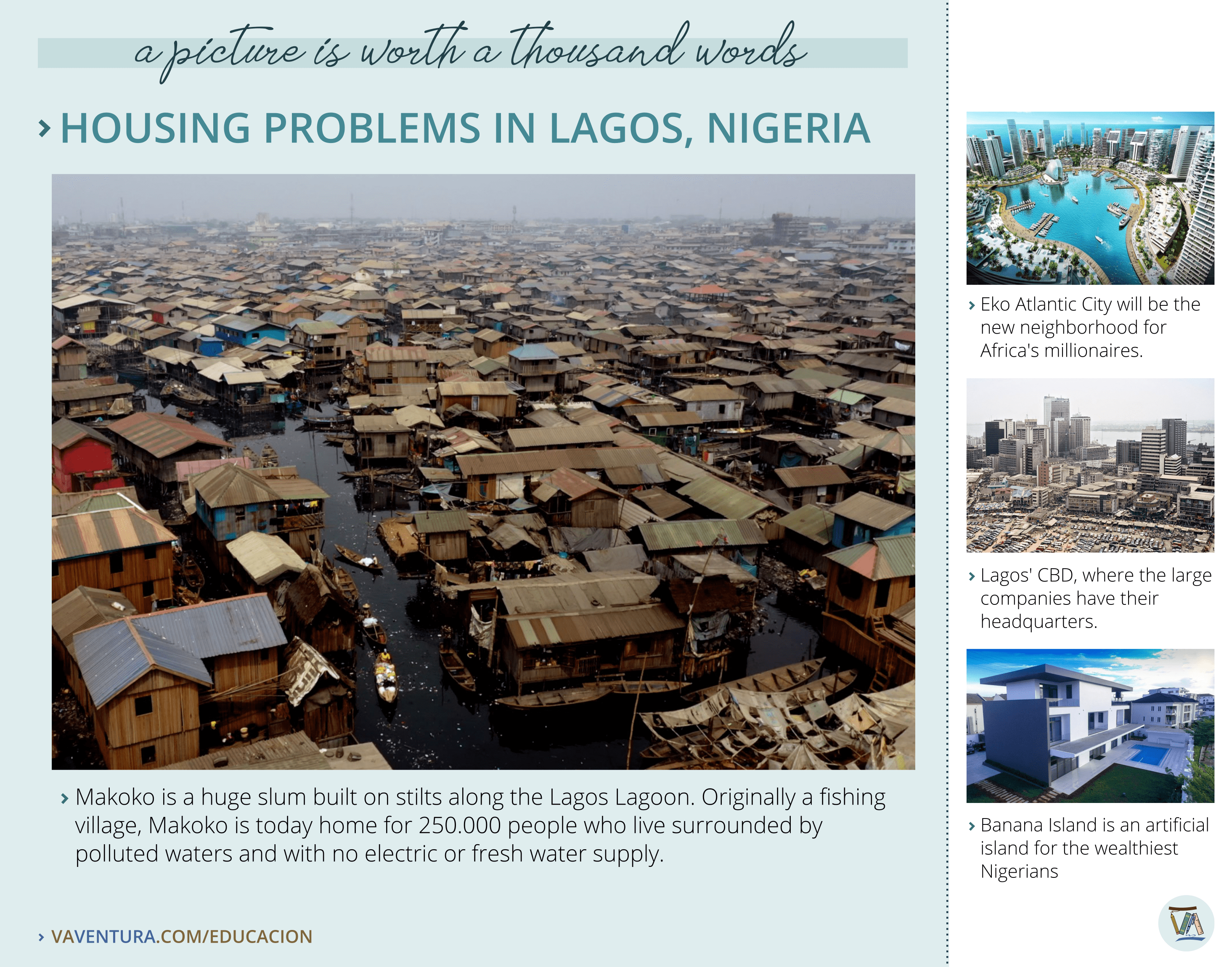
The informal economy is the main source of income for many people in Lagos. People often work as street vendors, market traders, cleaners, or in small workshops, earning low wages with no job security or health benefits. The cost of living in Lagos is high, making it difficult for families to cover their basic needs. Crime rates are higher in poorer areas, and people sometimes face the threat of eviction when the government decides to clear slum areas for new developments. Flooding is another challenge, as Lagos is a low-lying coastal city, and poor drainage systems combined with heavy rains cause floods that damage homes and spread disease. Climate change is likely to increase these risks in the future, making life even harder for the poorest communities in Lagos.
Studying in Nigeria.