Overpopulation happens when there are too many people in one area, and the resources are not enough to support them. Resources include food, water, housing, energy, jobs, and space for living.
A place is overpopulated when the population exceeds the carrying capacity of the environment, meaning the environment cannot provide for everyone’s needs without problems.
Global trends
The world population is increasing quickly:
-
In 1950, there were 2.5 billion people.
-
In 2000, there were 6 billion people.
-
Today, there are more than 8 billion people.
Most of the population growth is happening in developing countries in Africa and Asia. Countries like India, Nigeria, and Pakistan have very high birth rates, and many young people. In contrast, many developed countries in Europe and Japan have low birth rates and aging populations.
Why is the population growing?
High birth rates in many countries.
Better healthcare and medicine reduce death rates.
Lack of family planning in some regions.
Cultural factors that value large families.
Consequences of overpopulation
Overpopulation creates many problems, including:
✅ Pressure on resources: There may not be enough food, water, and energy for everyone.
✅ Unemployment and poverty: Not enough jobs for the growing population.
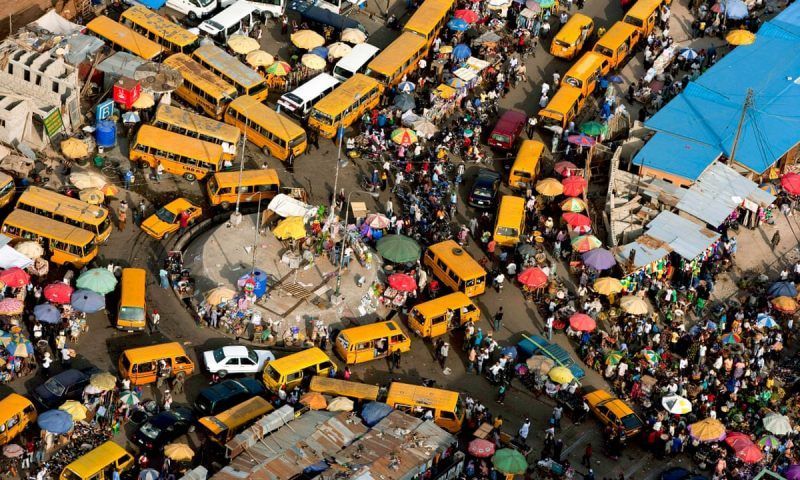
✅ Overcrowding in cities: Many people move to cities, leading to slums, poor housing, and lack of services.
✅ Pollution: More waste and pollution of air, water, and land.
✅ Deforestation and environmental damage: To get more land for housing and farming, forests are cut down, which affects biodiversity and climate.
✅ Traffic congestion: Too many people means more cars and transportation problems.
✅ Pressure on education and health systems: Schools and hospitals may not have enough space or resources.
.