VENTURA
  • Cultura
    • Videojuegos
    • Arte
    • Cine
    • Series
    • Literatura
    • Música
  • Divulgación
    • Geografía
    • Historia
    • Geopolítica
    • Seguridad
    • Desarrollo y Medio Ambiente
    • Ciencia y Tecnología
    • Economía
    • Religión y Teología
  • Educación
    • Historia
      • Historia (Secundaria)
        • Actividades y proyectos
        • Prehistoria
        • Historia Antigua
        • Antigua Grecia
        • Antigua Roma
        • Edad Media
        • Edad Moderna
        • UD 1 – Antiguo Régimen e Ilustración
        • UD2 – Liberalismo y nacionalismo
        • UD3 – Revolución Industrial
        • UD4 – España: S.XIX
        • UD5 – Imperialismo y 1ª GM
        • UD6 – Periodo de entreguerras
        • UD7 – Revolución rusa
        • UD8 – 2ª Guerra Mundial
        • UD9 – España: primer tercio S.XX
        • UD10 – Guerra Fría
        • UD11 – España: desde 1939
        • UD12 – El Tercer Mundo
        • UD13 – Un mundo en transformación
      • Historia (Bachillerato)
        • Edad Moderna
        • Edad Contemporánea
        • Liberalismo
        • La Restauración
        • Segunda República y Guerra Civil
        • Historia y Cultura de Aragón
    • Geografía
      • Geografía (Secundaria)
        • Actividades y proyectos
        • UD1 – La Geografía, una ciencia total
        • UD2 – Organización del territorio
        • UD3 – Geoeconomía y Geopolítica
        • UD4 – Sector primario
        • UD5 – Sector secundario
        • UD6 – Sector terciario
        • UD7 – Geografía de la población
        • UD8 – Geografía urbana
        • UD9 – Desarrollo y medioambiente
      • Geografía (Bachillerato)
        • Geografía de la Población
        • Geografía Urbana
        • Geografía Rural
        • Geografía Económica
        • Desarrollo y medioambiente
        • > Acceso a la Universidad
          • > > > Materiales para la EvAU 2024
          • > > > Materiales para la PAU 2025
      • Geografía (Universidad)
        • Geografía de la Población
        • Geografía de Hispanoamérica
        • Seminario para docentes
    • Bilingüe
      • History
      • Geography
    • Filosofía
      • 0. Listado de filósofos
      • 1. Los presocráticos y el arché
      • 2. Todo Platón
      • 3. Todo Aristóteles
      • 4. Todo Santo Tomás de Aquino
      • + El concepto de ‘sustancia’
      • + Filosofía en ‘Matrix’
    • Literatura
      • Ilustración y Romanticismo
      • Realismo
      • Generación del 27
      • El teatro
      • Literatura en el siglo XX
    • Historia del Arte
      • Pintura
      • Escultura
      • Arquitectura
    • Ciudadanía y Valores Éticos
    • Inglés
  • Reflexión
    • Reflexión sobre la Realidad
    • Reflexión sobre la Sociedad
  • AUTOR
  • BLOG
  • IDVA
  • RECURSOS
  • BMVA
  • LIBROS
  • VEN
  • MÁS
VENTURA
  • Divulgación
  • Cultura
  • Educación
  • Reflexión
  • Modern World

Spanish Empire: the rising

  • 27 septiembre, 2014
  • 7.8K views
  • VENTURA Educación

When your grandparents are Ferdinand II and Isabella I from Spanish Kingdom and Maximilian I from the Holy Roman Empire, you’re getting great birthday presents. Two of the most important kingdoms in the planet ended in the hands of Charles I after some strategic marriages. Born exactly in 1500, the new century started with him as protagonist. In 1516 was crowned King of Spain and in 1519 Emperor of the Holy Roman Empire (as Charles V), starting the dominance of the House of Habsburg.
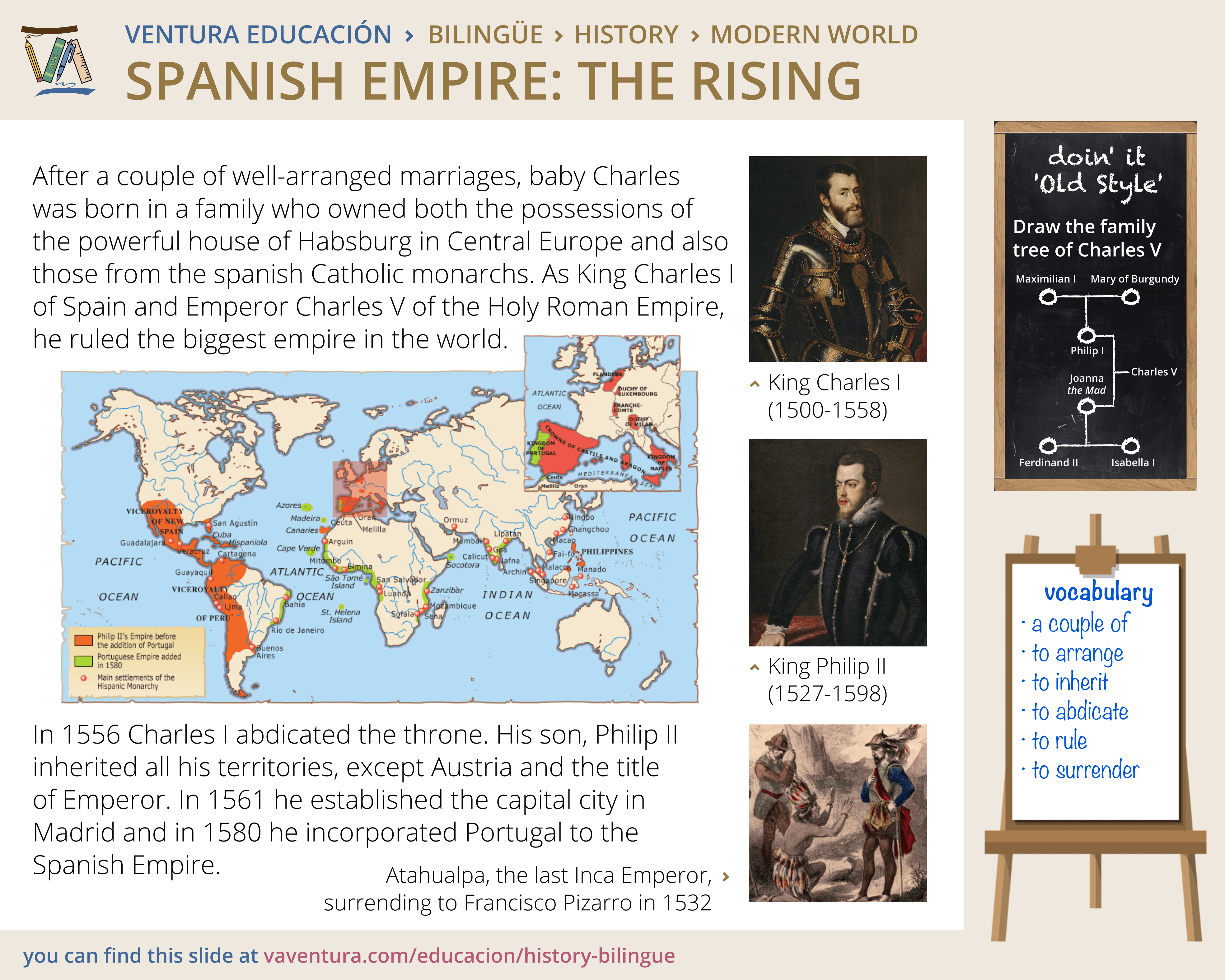
«The Empire on which the Sun never sets». That was how the Spanish Empire was known. Its territory expanded from Peru to Philippines, with possessions in Europe, Africa and India. Although he did not inherit the titles of Emperor of the Holy Roman Empire from his father, Philip II managed to enlarge his possessions in 1580 with the annexation of Portugal. That way the Spanish Empire controlled all the Portuguese ports -and they were many- in South America, Africa and South Asia.
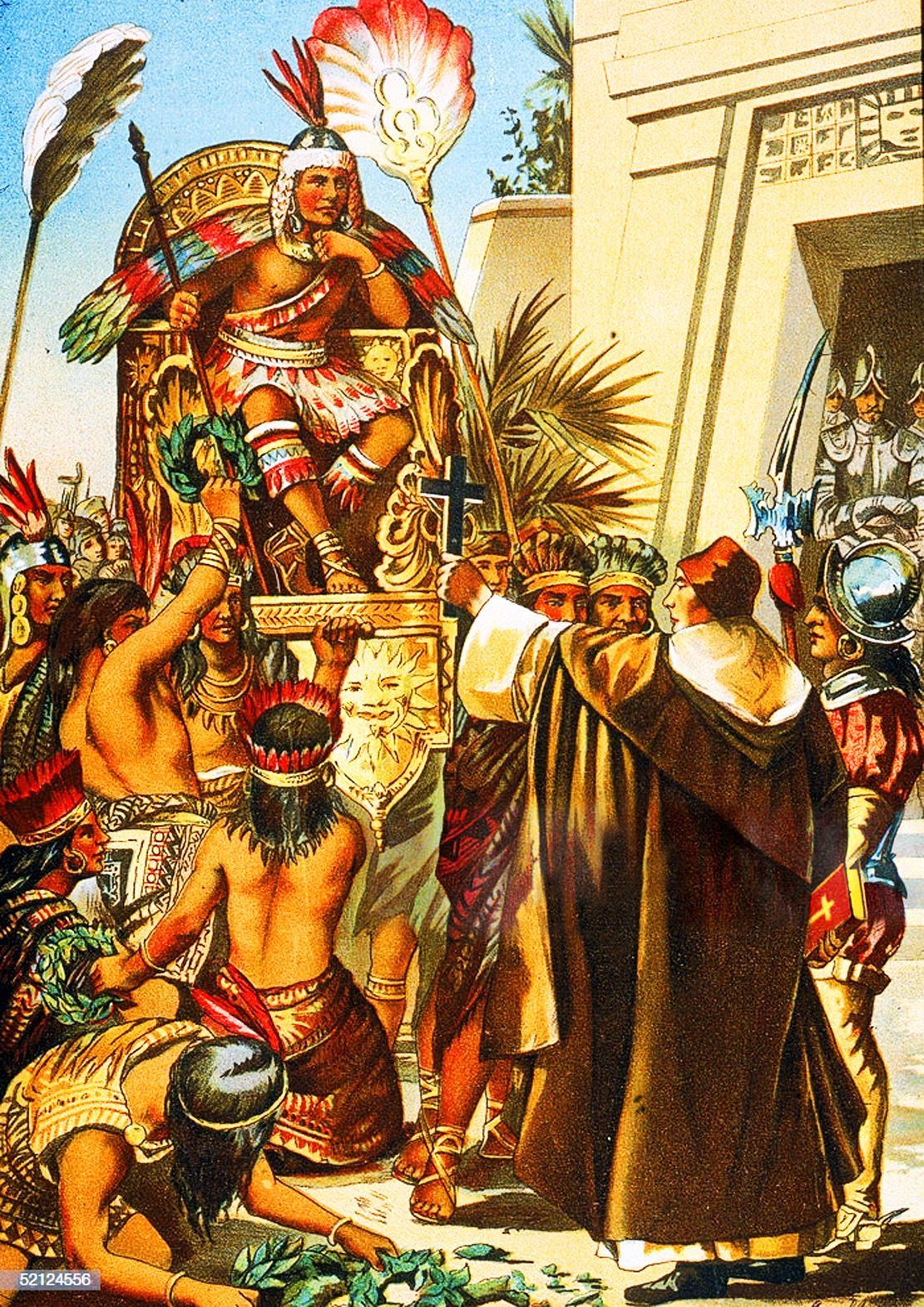
Spanish conquerors present Catholicism to the inca emperor Atahualpa

Funding expeditions by Hernán Cortés in the north and Francisco Pizarro in the south, both Charles I and Philip II conquered America in barely 50 years. The Spanish defeated the Aztec Empire in the Battle of Otumba (1521) and the Inca Empire in the Battle of Cajamarca (1532). To administrate those vast territories, Spanish crown from Toledo established two new entities: the Viceroyalty of New Spain and the Viceroyalty of Peru. The two viceroyalties were ruled by one viceroy. Here you have a list of the viceroys of New Spain and Peru.

In 1534 the conquistadors heard the legend of El Dorado, a place hidden in the rainforest and full of gold and jewels. Many expeditions were organized by the Spanish to find that precious treasure, meant to be hidden in the heart of modern Colombia, where the Muisca people lived.

The conquest of America was violent, as described by friar Bartolomé de las Casas, who reported the treat Spanish soldiers gave to the indigenous people. Philip II created a branch of the Spanish Inquisition to cover the American region: natives had to convert to catholicism.

Linking the future of the Empire to the will of God, Spanish kings established themselves as protectors of the Catholic Church. Both Charles I and Philip II fought against the Protestant churches, but their main contribution to Christianity was the fight against the muslim Turkish Empire. In 1535 Charles I occupied Tunisia to stop the expansion of the Ottomans and in 1571 Philip II responded to the Pope’s call for help creating the Holy League. The fleet of the Holy League sailed to the Ionian Sea and fought against the Ottoman fleet in the Battle of Lepanto, the biggest naval battle of modern History. The victory of Spain stopped the advance of the vast Turkish Empire in Europe.
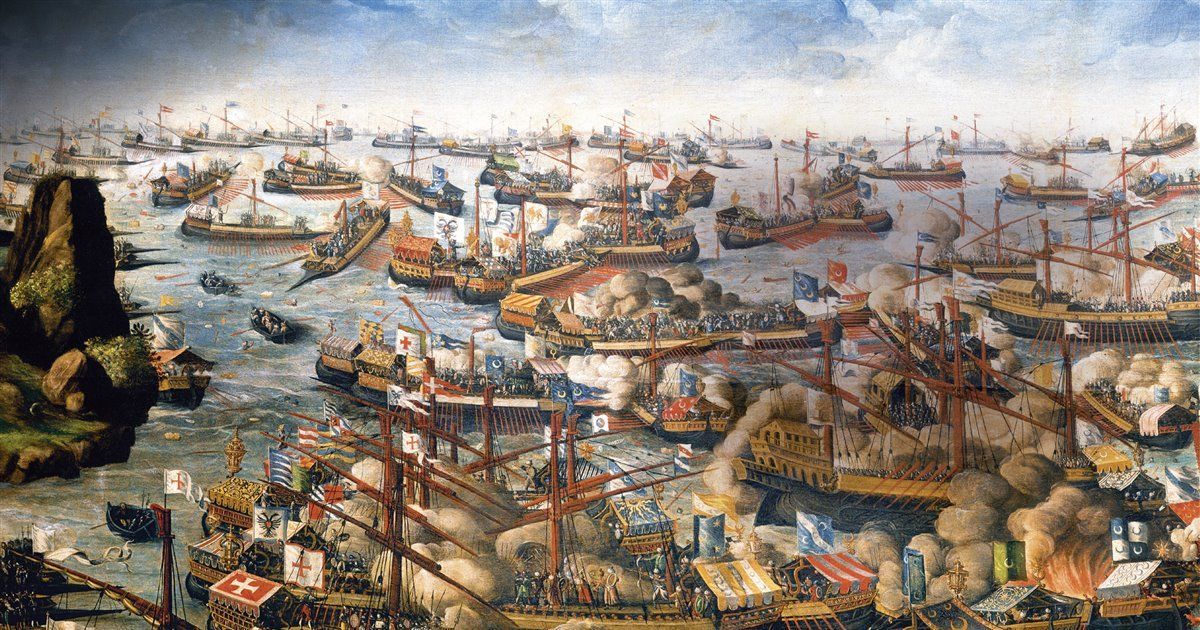
Battle of Lepanto (1571)
A New Continent

.

DOWNLOAD PDF VERSION

VENTURA Educación

VENTURA Educación es un proyecto de VENTURA para crear materiales y apuntes de Historia, Literatura, Geografía, Inglés, Filosofía e Historia del Arte. Estudiantes y profesores pueden plantear dudas y pedir contenidos escribiendo a venturaeduca@gmail.com

Ver Publicación
  • Cine

Ciudades de película: las mejores películas por ciudad

  • Juan Pérez Ventura
  • 3 octubre, 2024
Ver Publicación
  • Geografía
  • Religión

Subiendo al Monte Athos

  • Juan Pérez Ventura
  • 13 agosto, 2023
Ver Publicación
  • Teorías de la gentrificación

Gentrificación: propuesta de tipología y ejemplos de cada tipo

  • Juan Pérez Ventura
  • 16 junio, 2025
Ver Publicación
  • París

Estadios llenos, casas vacías: París 2024 y la gentrificación

  • Juan Pérez Ventura
  • 11 septiembre, 2024
Ver Publicación
  • Arte

Las fachadas de Salamanca

  • Juan Pérez Ventura
  • 16 mayo, 2024
Ver Publicación
  • Música

La Gran Migración del Blues

  • Juan Pérez Ventura
  • 23 noviembre, 2023
Ver Publicación
  • Religión

El debate central en el cristianismo: Jesús, ¿Hijo de Dios o Dios?

  • Juan Pérez Ventura
  • 1 agosto, 2024
Ver Publicación
  • Economía

El siglo de China: presencia en la economía global

  • Juan Pérez Ventura
  • 18 diciembre, 2024
Social Accounts
Facebook Likes
Twitter Followers
Instagram Followers
LinkedIn Followers
  • Historias de Asia: El final de la dinastía MingHistorias de Asia: El final de la dinastía Ming
    Cuando en el año 1449 los mongoles derrotaron a las tropas imperiales chinas y capturaron al Emperador Zhu Qizhen en la Batalla de Tumu, una antigua reliquia abandonada volvió a formar…
  • La política del miedoLa política del miedo
    El arma más poderosa que tiene un gobernante no es la fuerza. No es la represión, el castigo ni la guerra. Esas artes son de otro tiempo, de otra época.…
  • Los inicios del cineLos inicios del cine
    El 28 de diciembre de 1895 nació el cine. En el Grand Café del bulevar de las Capuchinas, en París, los hermanos Lumière, dueños del proyector cinematográfico, cobraron un franco…
  • Historias de Asia: El Punyab, los sijes y el Templo DoradoHistorias de Asia: El Punyab, los sijes y el Templo Dorado
    Los antiguos mapas y libros griegos hablan de la misteriosa región de Pentapotamia, una tierra oriental en los límites de Persia. La ‘Tierra de los Cinco Ríos’, un territorio al que…
  • El Libro del ApocalipsisEl Libro del Apocalipsis
    El Libro del Apocalipsis, también conocido como el Libro de la Revelación, es el último libro del Nuevo Testamento y de la Biblia en su conjunto. Escrito por el apóstol…
  • Historia de la Iglesia cristianaHistoria de la Iglesia cristiana
    I. La Iglesia apostólica (33-100 d.C.) La historia de la Iglesia Apostólica se remonta a los primeros días después de la crucifixión y resurrección de Jesucristo. Con sus enseñanzas, milagros y…
  • Un nuevo indicador para medir el desarrollo: el Índice de Desarrollo Socioeconómico (IDSE)Un nuevo indicador para medir el desarrollo: el Índice de Desarrollo Socioeconómico (IDSE)
    El nivel de desarrollo se puede medir desde distintas ópticas. Durante el S.XX se propusieron una serie de indicadores que han cuantificado el desarrollo desde un punto de vista sesgado,…
VENTURA
  • AUTOR
  • BLOG
  • IDVA
  • RECURSOS
  • BMVA
  • LIBROS
  • VEN
  • MÁS
venturacontenidos@gmail.com

Ingresa las palabras de la búsqueda y presiona Enter.