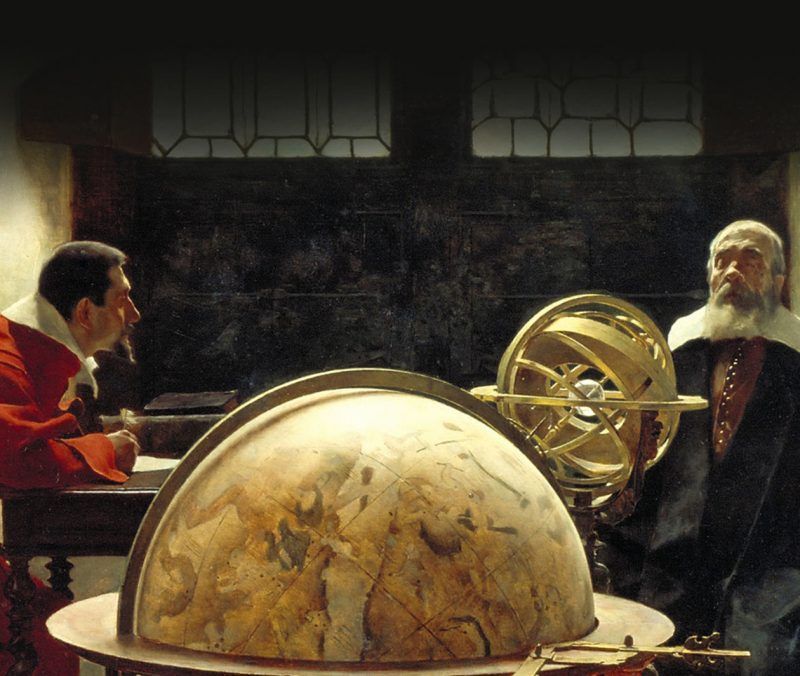
It is known as Scientific Revolution to the drastic change in the model of thought that took place between the 15th, 16th and 17th centuries in the Western World, during the early Modern Age. It forever transformed medieval views on nature and life. It laid the foundation for the rise of science as we understand it today.
The Scientific Revolution was born in Europe at the end of the Renaissance. It was the result of new ideas in the field of physics, astronomy, biology and chemistry. The change in the philosophical paradigm produced the social and intellectual movement known as the Enlightenment.
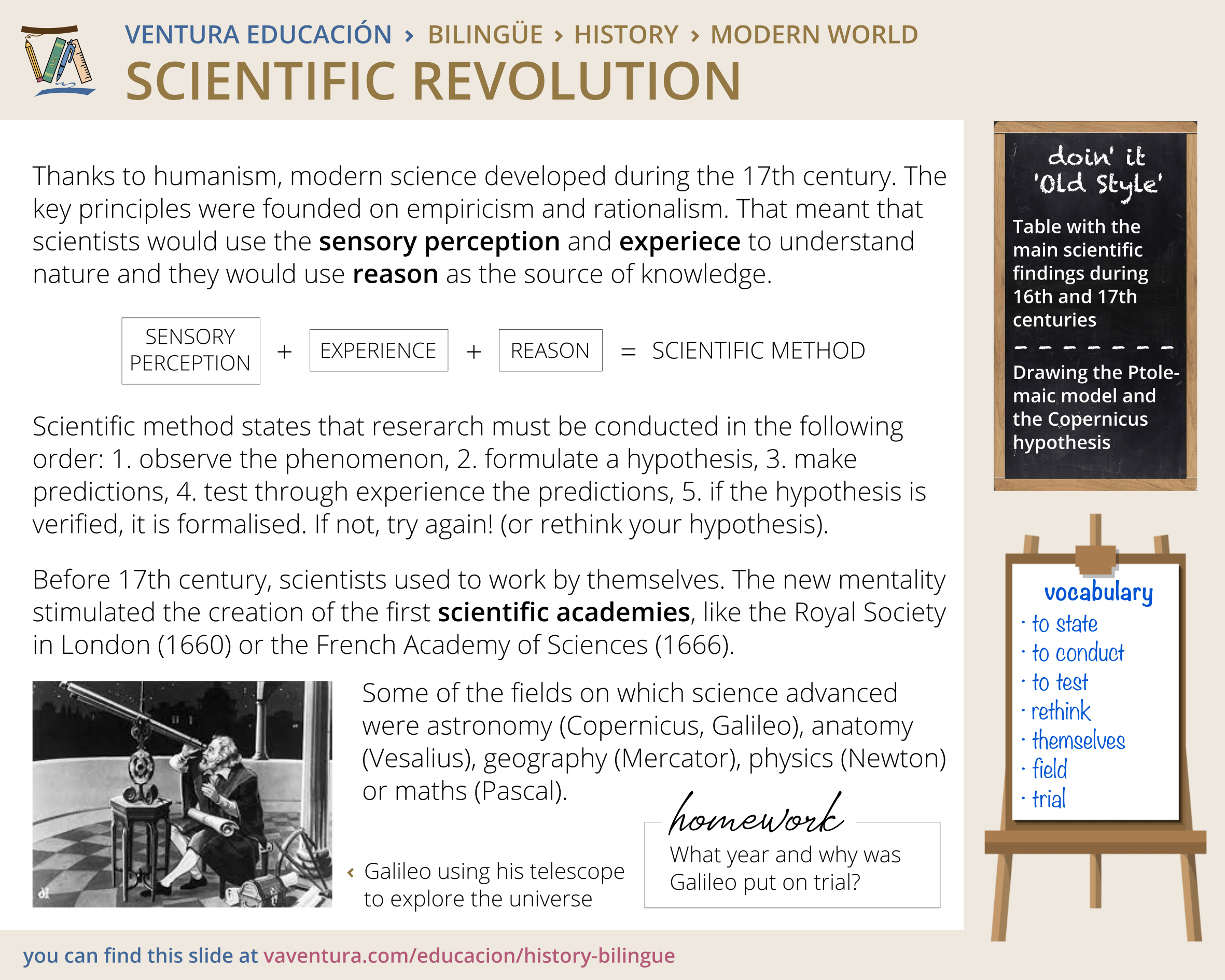
Modern science was founded on two principles: empiricism and rationalism. The latter advocated for the use of reason as the main way to reach knowledge. On the other hand, empiricism defended experience and the use of senses to try to know our world. The new scientific method was born as a result of combining both strategies (empiricism + rationalism).
The next painting is a good example of empiricism: in order to understand how the human body worked, scientist should explore -and actually see and touch- it. The best way of understanding anatomy was through experience. It may be gross, but it worked!
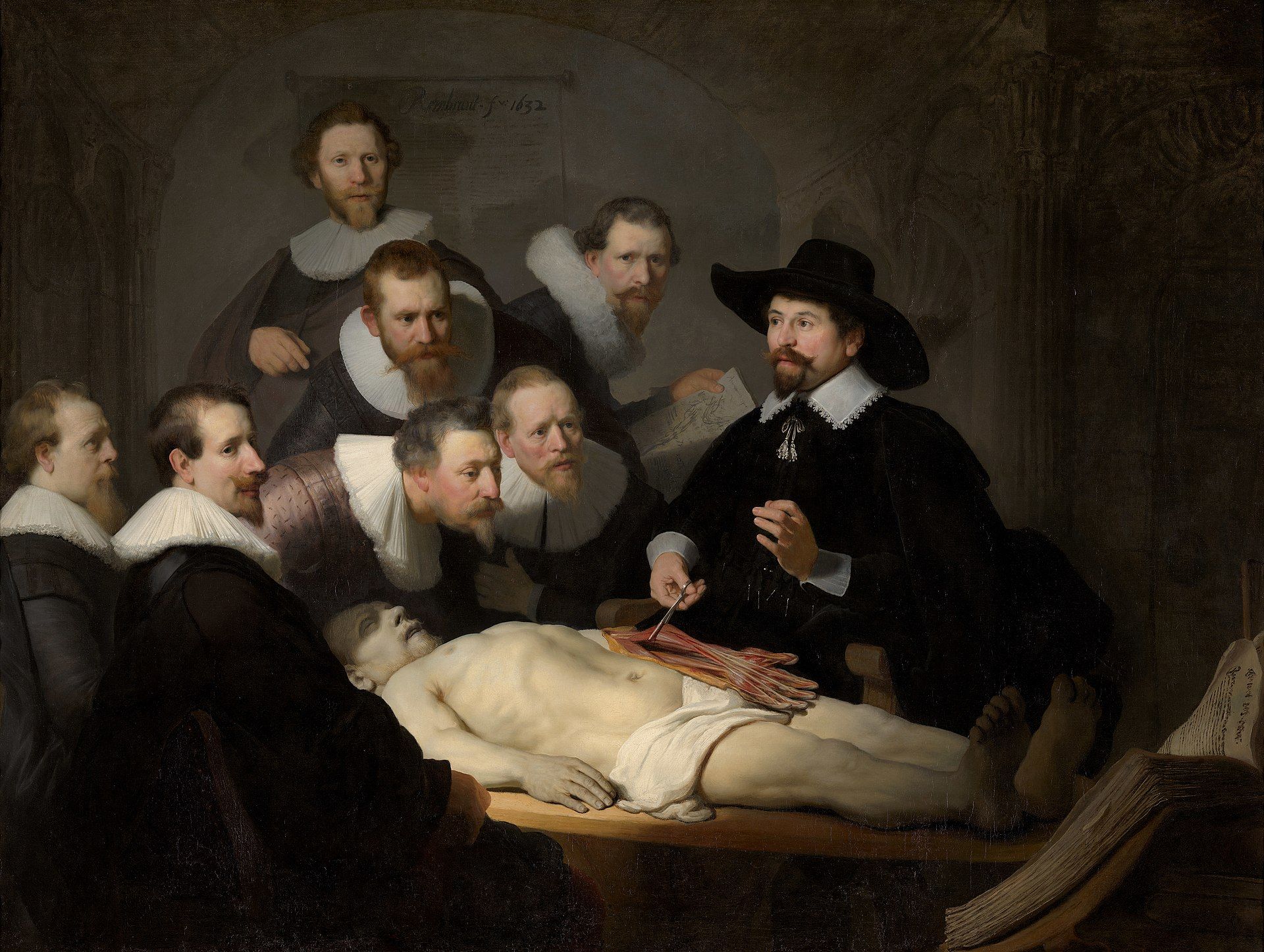
Anatomy was one of the fields in which science advanced, but there were many others that experienced great progress: maths, physics, astronomy, chemistry, biology… Some of the key scientists in this period were Nicolaus Copernicus (1473-1543), Galileo Galilei (1564-1642), Johannes Kepler (1571-1630), Isaac Newton (1643-1727), Francis Bacon (1561-1626), Blaise Pascal (1623-1662), Andreas Vesalius (1514-1564) or Robert Hooke (1635-1703).