VENTURA
  • Cultura
    • Videojuegos
    • Arte
    • Cine
    • Series
    • Literatura
    • Música
  • Divulgación
    • Geografía
    • Historia
    • Geopolítica
    • Seguridad
    • Desarrollo y Medio Ambiente
    • Ciencia y Tecnología
    • Economía
    • Religión y Teología
  • Educación
    • Historia
      • Historia (Secundaria)
        • Actividades y proyectos
        • Prehistoria
        • Historia Antigua
        • Antigua Grecia
        • Antigua Roma
        • Edad Media
        • Edad Moderna
        • UD 1 – Antiguo Régimen e Ilustración
        • UD2 – Liberalismo y nacionalismo
        • UD3 – Revolución Industrial
        • UD4 – España: S.XIX
        • UD5 – Imperialismo y 1ª GM
        • UD6 – Periodo de entreguerras
        • UD7 – Revolución rusa
        • UD8 – 2ª Guerra Mundial
        • UD9 – España: primer tercio S.XX
        • UD10 – Guerra Fría
        • UD11 – España: desde 1939
        • UD12 – El Tercer Mundo
        • UD13 – Un mundo en transformación
      • Historia (Bachillerato)
        • Edad Moderna
        • Edad Contemporánea
        • Liberalismo
        • La Restauración
        • Segunda República y Guerra Civil
        • Historia y Cultura de Aragón
    • Geografía
      • Geografía (Secundaria)
        • Actividades y proyectos
        • UD1 – La Geografía, una ciencia total
        • UD2 – Organización del territorio
        • UD3 – Geoeconomía y Geopolítica
        • UD4 – Sector primario
        • UD5 – Sector secundario
        • UD6 – Sector terciario
        • UD7 – Geografía de la población
        • UD8 – Geografía urbana
        • UD9 – Desarrollo y medioambiente
      • Geografía (Bachillerato)
        • Geografía de la Población
        • Geografía Urbana
        • Geografía Rural
        • Geografía Económica
        • Desarrollo y medioambiente
        • > Acceso a la Universidad
          • > > > Materiales para la EvAU 2024
          • > > > Materiales para la PAU 2025
      • Geografía (Universidad)
        • Geografía de la Población
        • Geografía de Hispanoamérica
        • Seminario para docentes
    • Bilingüe
      • History
      • Geography
    • Filosofía
      • 0. Listado de filósofos
      • 1. Los presocráticos y el arché
      • 2. Todo Platón
      • 3. Todo Aristóteles
      • 4. Todo Santo Tomás de Aquino
      • + El concepto de ‘sustancia’
      • + Filosofía en ‘Matrix’
    • Literatura
      • Ilustración y Romanticismo
      • Realismo
      • Generación del 27
      • El teatro
      • Literatura en el siglo XX
    • Historia del Arte
      • Pintura
      • Escultura
      • Arquitectura
    • Ciudadanía y Valores Éticos
    • Inglés
  • Reflexión
    • Reflexión sobre la Realidad
    • Reflexión sobre la Sociedad
  • AUTOR
  • BLOG
  • IDVA
  • RECURSOS
  • BMVA
  • LIBROS
  • VEN
  • MÁS
VENTURA
  • Divulgación
  • Cultura
  • Educación
  • Reflexión
  • Population Geography

Lesson 703 – Types of migrations

  • 19 febrero, 2016
  • 3.6K views
  • VENTURA Educación

Migration is a key process in human geography, driven by economic, social, political, and environmental factors. Studying migration from the periphery to the core and from the periphery to the periphery helps us understand how people respond to challenges and opportunities in different regions and how migration shapes societies, economies, and the environment. It is important to understand these patterns to create fair policies and sustainable cities and rural areas where people can live safely and improve their lives.

From the Periphery to the Core
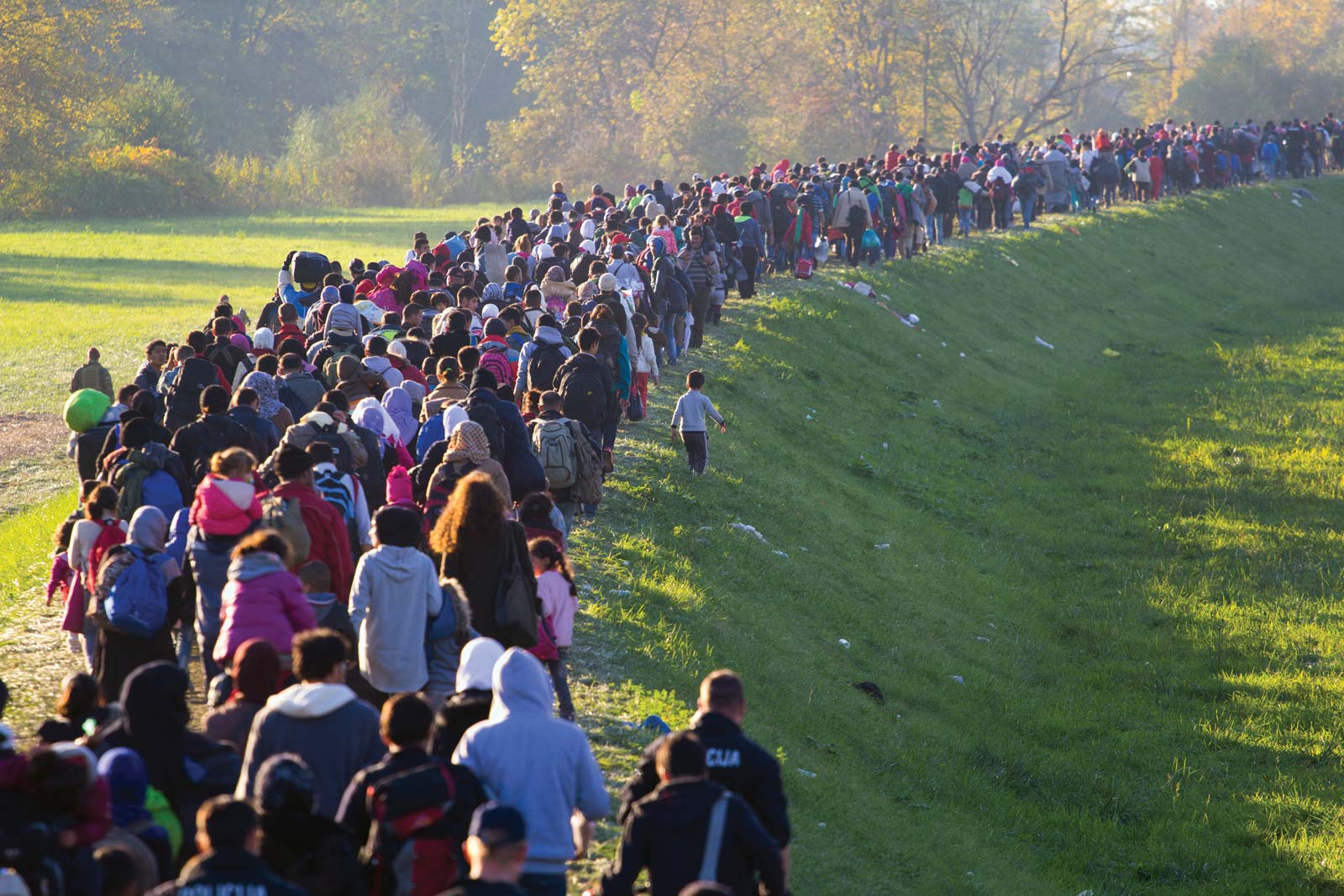
Migration from the periphery to the core happens when people move from poorer, less developed areas (periphery) to richer, more developed areas (core). The core areas often have better economic opportunities, healthcare, education, and living conditions, which attract people looking for a better life. In many countries, the core areas include large cities, capital cities, and industrial regions, while the periphery includes rural areas or poorer regions with fewer services and job opportunities. This type of migration is a common pattern in many developing countries and also within developed countries.

There are many push and pull factors that cause this type of migration. Push factors in the periphery include poverty, unemployment, poor healthcare, lack of education, natural disasters, and difficult farming conditions. Pull factors in the core include more jobs, higher wages, better schools, hospitals, and the possibility of a higher standard of living. Young people, especially, are attracted to core areas to find work and continue their education. This type of migration helps people improve their lives, but it also creates challenges for the core areas, such as overcrowding, pressure on housing, and traffic congestion.

Examples of this type of migration include people moving from rural villages in northern Nigeria to Lagos, from rural areas in India to cities like Mumbai and Delhi, or from poor regions in Latin America to the capital cities. In Europe, people may move from small towns to capital cities like London or Paris. While this migration can help people find better opportunities, it also causes depopulation in the periphery, leaving behind elderly populations and reducing the workforce in rural areas, while cities in the core areas may face problems like slum development and environmental pollution due to rapid urban growth.

From the Periphery to the Periphery

Migration from the periphery to the periphery occurs when people move from one less developed area to another less developed area, instead of moving to the core. This type of migration often happens when people need to escape from conflict, natural disasters, or environmental problems, and they move to another rural area or to a smaller town where they feel it is safer or where they can find land to farm. It can also happen between poorer regions within the same country or between neighbouring developing countries.
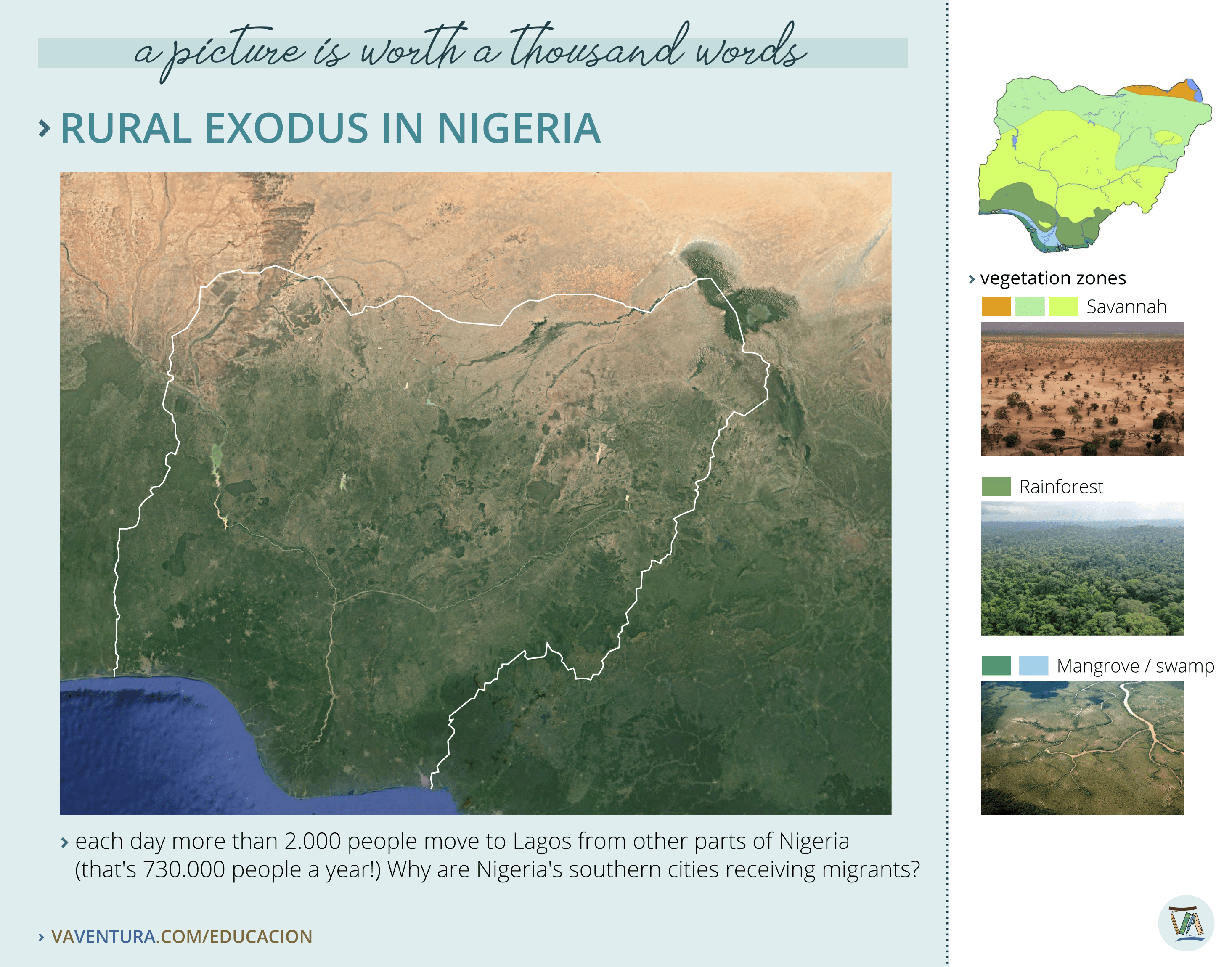
MORE RESOURCES: Case study: Nigeria

Push factors for this type of migration include war, ethnic conflict, drought, and environmental degradation in the home region, forcing people to leave to survive. Pull factors may include the possibility of finding land, temporary jobs in agriculture, or simply safety from violence. However, the destination region often does not have enough resources, infrastructure, or services to support the newcomers, creating pressure on water, food, schools, and healthcare in these areas. It may also lead to tensions between migrants and local communities over the use of land and resources.

Examples of migration from the periphery to the periphery include people moving within sub-Saharan Africa from areas affected by drought to nearby regions with better rainfall, or refugees moving from conflict zones in South Sudan to neighbouring countries like Uganda or Kenya, which are also developing countries with limited resources. In Latin America, people may move from poor rural areas in one region to another region with seasonal agricultural jobs, such as during harvest seasons. This type of migration often involves temporary or circular migration, where people move back and forth between areas depending on the seasons and the availability of work.

Impacts of Migration on the Periphery and the Core

Migration has positive and negative impacts on both the periphery and the core areas. In the periphery, migration can reduce pressure on land and resources when people leave, and migrants often send remittances (money) back to their families, which helps improve their living conditions and allows families to pay for education and healthcare. However, migration can also cause problems in the periphery, such as the loss of young and skilled workers, leading to an ageing population and a reduction in agricultural production.

In the core areas, migration helps provide workers for industries, services, and informal sectors, supporting economic growth. Migrants often take jobs that local people may not want, helping the functioning of cities and industries. However, rapid migration to core areas can lead to challenges such as overcrowding, housing shortages, the growth of slums, increased traffic congestion, and pollution. Public services like schools, hospitals, and transport systems can become overstressed, and there may be tensions between migrants and local populations if resources are limited.

Migration from periphery to periphery can help people escape dangerous or unliveable conditions, but it can also create refugee camps, informal settlements, and competition for scarce resources in the destination regions. It is important for governments and organisations to plan for these migrations by providing support in rural areas to reduce forced migration, improving infrastructure in receiving areas, and ensuring that migrants can live with dignity and safety. Understanding the types of migration helps us analyse global patterns and prepare for sustainable development in a world where people are constantly moving in search of a better life.

VENTURA Educación

VENTURA Educación es un proyecto de VENTURA para crear materiales y apuntes de Historia, Literatura, Geografía, Inglés, Filosofía e Historia del Arte. Estudiantes y profesores pueden plantear dudas y pedir contenidos escribiendo a venturaeduca@gmail.com

Ver Publicación
  • Cine

Ciudades de película: las mejores películas por ciudad

  • Juan Pérez Ventura
  • 3 octubre, 2024
Ver Publicación
  • Geografía
  • Religión

Subiendo al Monte Athos

  • Juan Pérez Ventura
  • 13 agosto, 2023
Ver Publicación
  • Teorías de la gentrificación

Gentrificación: propuesta de tipología y ejemplos de cada tipo

  • Juan Pérez Ventura
  • 16 junio, 2025
Ver Publicación
  • París

Estadios llenos, casas vacías: París 2024 y la gentrificación

  • Juan Pérez Ventura
  • 11 septiembre, 2024
Ver Publicación
  • Arte

Las fachadas de Salamanca

  • Juan Pérez Ventura
  • 16 mayo, 2024
Ver Publicación
  • Música

La Gran Migración del Blues

  • Juan Pérez Ventura
  • 23 noviembre, 2023
Ver Publicación
  • Religión

El debate central en el cristianismo: Jesús, ¿Hijo de Dios o Dios?

  • Juan Pérez Ventura
  • 1 agosto, 2024
Ver Publicación
  • Economía

El siglo de China: presencia en la economía global

  • Juan Pérez Ventura
  • 18 diciembre, 2024
Social Accounts
Facebook Likes
Twitter Followers
Instagram Followers
LinkedIn Followers
  • El siglo de China: presencia en la economía globalEl siglo de China: presencia en la economía global
    Hace más de diez años, en esta misma página web, se publicó el artículo «Cambio en el orden económico mundial» (Juan Pérez Ventura, 2012), en el que se analizaba el…
  • Evolución de las bandas sonorasEvolución de las bandas sonoras
    . Desde los albores del cine mudo, la música ha sido una parte integral de la experiencia cinematográfica, evolucionando a lo largo del tiempo y adaptándose a las necesidades artísticas…
  • Debate Copleston-Russell sobre la existencia de DiosDebate Copleston-Russell sobre la existencia de Dios
    El debate entre Frederick Charles Copleston y Bertrand Russell, transmitido en 1948 por la BBC Radio, es considerado uno de los intercambios filosóficos más significativos del siglo XX. El debate…
  • China y Japón: el peso de la historiaChina y Japón: el peso de la historia
    Son tan solo 600 los kilómetros de agua que separan a China y Japón, dos superpotencias que, inevitablemente, compiten desde hace siglos por el dominio de la región. El Mar…
  • Ravena paleocristiana: catolicismo y arrianismo en la misma ciudadRavena paleocristiana: catolicismo y arrianismo en la misma ciudad
    En el siglo IV, el Imperio Romano de Occidente experimentaba su declive, marcado por invasiones bárbaras y divisiones internas. En 402 d.C., el emperador Honorio decidió trasladar la capital del…
  • Las realidades múltiples de Rob Gonsalves, pintor mágicoLas realidades múltiples de Rob Gonsalves, pintor mágico
    Las obras de arte más interesantes son aquellas que proponen un reto al espectador. Un reto que debe ser mental, y que ha de tratar de resolverse mediante la observación…
  • La desinformación que nos relajaLa desinformación que nos relaja
    En la trilogía conformada por «Sponsored Content» (T19E08), «Truth and Advertising» (T19E09) y «PC Principal Final Justice» (T19E10), South Park plantea una de las cuestiones más urgentes de nuestra era:…
VENTURA
  • AUTOR
  • BLOG
  • IDVA
  • RECURSOS
  • BMVA
  • LIBROS
  • VEN
  • MÁS
venturacontenidos@gmail.com

Ingresa las palabras de la búsqueda y presiona Enter.