VENTURA
  • Cultura
    • Videojuegos
    • Arte
    • Cine
    • Series
    • Literatura
    • Música
  • Divulgación
    • Geografía
    • Historia
    • Geopolítica
    • Seguridad
    • Desarrollo y Medio Ambiente
    • Ciencia y Tecnología
    • Economía
    • Religión y Teología
  • Educación
    • Historia
      • Historia (Secundaria)
        • Actividades y proyectos
        • Prehistoria
        • Historia Antigua
        • Antigua Grecia
        • Antigua Roma
        • Edad Media
        • Edad Moderna
        • UD 1 – Antiguo Régimen e Ilustración
        • UD2 – Liberalismo y nacionalismo
        • UD3 – Revolución Industrial
        • UD4 – España: S.XIX
        • UD5 – Imperialismo y 1ª GM
        • UD6 – Periodo de entreguerras
        • UD7 – Revolución rusa
        • UD8 – 2ª Guerra Mundial
        • UD9 – España: primer tercio S.XX
        • UD10 – Guerra Fría
        • UD11 – España: desde 1939
        • UD12 – El Tercer Mundo
        • UD13 – Un mundo en transformación
      • Historia (Bachillerato)
        • Edad Moderna
        • Edad Contemporánea
        • Liberalismo
        • La Restauración
        • Segunda República y Guerra Civil
        • Historia y Cultura de Aragón
    • Geografía
      • Geografía (Secundaria)
        • Actividades y proyectos
        • UD1 – La Geografía, una ciencia total
        • UD2 – Organización del territorio
        • UD3 – Geoeconomía y Geopolítica
        • UD4 – Sector primario
        • UD5 – Sector secundario
        • UD6 – Sector terciario
        • UD7 – Geografía de la población
        • UD8 – Geografía urbana
        • UD9 – Desarrollo y medioambiente
      • Geografía (Bachillerato)
        • Geografía de la Población
        • Geografía Urbana
        • Geografía Rural
        • Geografía Económica
        • Desarrollo y medioambiente
        • > Acceso a la Universidad
          • > > > Materiales para la EvAU 2024
          • > > > Materiales para la PAU 2025
      • Geografía (Universidad)
        • Geografía de la Población
        • Geografía de Hispanoamérica
        • Seminario para docentes
    • Bilingüe
      • History
      • Geography
    • Filosofía
      • 0. Listado de filósofos
      • 1. Los presocráticos y el arché
      • 2. Todo Platón
      • 3. Todo Aristóteles
      • 4. Todo Santo Tomás de Aquino
      • + El concepto de ‘sustancia’
      • + Filosofía en ‘Matrix’
    • Literatura
      • Ilustración y Romanticismo
      • Realismo
      • Generación del 27
      • El teatro
      • Literatura en el siglo XX
    • Historia del Arte
      • Pintura
      • Escultura
      • Arquitectura
    • Ciudadanía y Valores Éticos
    • Inglés
  • Reflexión
    • Reflexión sobre la Realidad
    • Reflexión sobre la Sociedad
  • AUTOR
  • BLOG
  • IDVA
  • RECURSOS
  • BMVA
  • LIBROS
  • VEN
  • MÁS
VENTURA
  • Divulgación
  • Cultura
  • Educación
  • Reflexión
  • Urban Geography

Lesson 802 – Global cities and megacities

  • 11 abril, 2014
  • 3.3K views
  • VENTURA Educación

A city is a large urban settlement where thousands or millions of people live and work. Cities are centres of economic, political and cultural activity, offering jobs, education, healthcare and other services. However, not all cities have the same importance or influence. Some are powerful centres of the global economy, while others are famous for their enormous populations. This is why geographers distinguish between global cities and megacities.

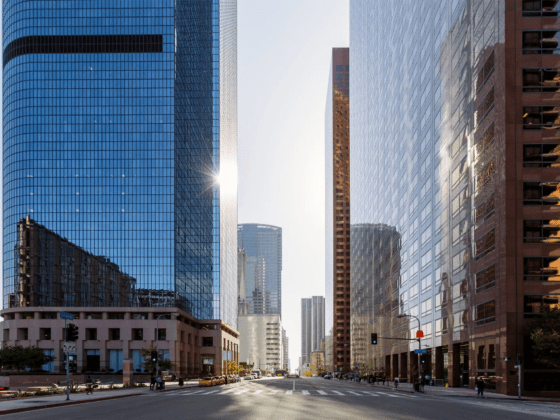
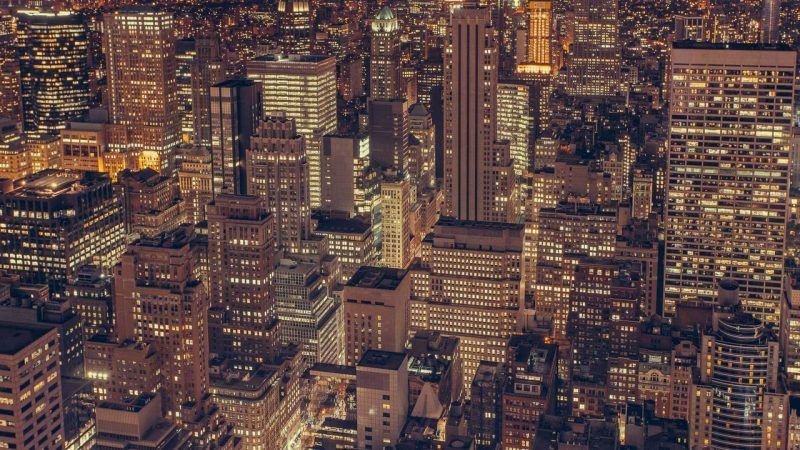
Global cities: the power of skyscrapers

A large population does not necessarily mean a city is powerful, but it helps. Almost all global cities share a high population density, but that’s not what makes them global. The concept «global city» first appeared in The Global City: New York, London, Tokyo (1991), a book by Dutch sociologist Saskia Sassen. Cities labeled as «global» are those with a direct effect on international affairs, not only economic-wise but also in those affairs related to politics or culture.

Global cities are important centres of economic power and international connections. They usually contain the headquarters of multinational companies, major banks, financial markets and international organizations. They also have modern airports, universities and advanced communication networks. Their decisions can influence economies and societies thousands of kilometres away. New York, London and Tokyo are traditional examples of global cities, but many others have become increasingly influential in recent decades.

Brookings Global Cities

One of the main characteristics of global cities is their role in the world economy. They attract international investment, businesses and highly qualified workers. Many important decisions about finance, technology and international trade are made in these cities. For example, New York is home to Wall Street, one of the world’s most important financial centres, while London plays a major role in international banking and business services.

Global cities are also centres of culture, education and innovation. They attract students, tourists, artists and researchers from many different countries. Universities, museums, international events and creative industries help these cities spread ideas and cultural trends around the world. Cities such as Paris, Los Angeles and Seoul have an important influence on fashion, cinema, music and technology.

Another important feature of global cities is their connectivity. International airports, high-speed railways, ports and digital networks connect them with the rest of the world. These connections allow people, goods, money and information to move quickly between countries. Together, global cities form an international urban network, in which each city has different functions and levels of influence.

However, global cities also face serious social and environmental challenges. Economic growth and international investment can increase housing prices and the cost of living. In some neighbourhoods, gentrification can displace lower-income residents. Traffic congestion, pollution and social inequality are also common problems. The impressive skyscrapers of global cities often symbolize economic power, but they do not always reflect the living conditions of the entire population.

Megacities: overcrowded places

A megacity is an urban area with more than 10 million inhabitants. According to the United Nations, there were 33 megacities in the world in 2025, most of them located in Asia. Examples include Jakarta, Dhaka, Tokyo, Delhi and Shanghai. Megacities are often centres of economic activity, but their rapid population growth can create serious problems, such as traffic congestion, air pollution, housing shortages and pressure on public services. The main difference between a global city and a megacity is that global cities are defined by their international influence, while megacities are defined by their population size. A city can be both, but not all megacities are global cities.

[wp_table id=8891/]

.

LEARN MORE!

➡️ El poder de las ciudades globales

➡️ Una ciudad, dos mundos

➡️ Las ciudades

➡️ El espacio urbano: un análisis general

➡️ Megalópolis, los espacios urbanos más grandes del mundo

VENTURA Educación

VENTURA Educación es un proyecto de VENTURA para crear materiales y apuntes de Historia, Literatura, Geografía, Inglés, Filosofía e Historia del Arte. Estudiantes y profesores pueden plantear dudas y pedir contenidos escribiendo a venturaeduca@gmail.com

Ver Publicación
  • Cine

Ciudades de película: las mejores películas por ciudad

  • Juan Pérez Ventura
  • 3 octubre, 2024
Ver Publicación
  • Teorías de la gentrificación

Gentrificación: propuesta de tipología y ejemplos de cada tipo

  • Juan Pérez Ventura
  • 16 junio, 2025
Ver Publicación
  • París

Estadios llenos, casas vacías: París 2024 y la gentrificación

  • Juan Pérez Ventura
  • 11 septiembre, 2024
Ver Publicación
  • Arte

Las fachadas de Salamanca

  • Juan Pérez Ventura
  • 16 mayo, 2024
Ver Publicación
  • Religión

El debate central en el cristianismo: Jesús, ¿Hijo de Dios o Dios?

  • Juan Pérez Ventura
  • 1 agosto, 2024
Ver Publicación
  • Economía

El siglo de China: presencia en la economía global

  • Juan Pérez Ventura
  • 18 diciembre, 2024
Ver Publicación
  • Arte
  • Literatura
  • Religión

Bajando al Infierno (I): las legiones de Astaroth

  • Juan Pérez Ventura
  • 26 septiembre, 2024
Ver Publicación
  • Ciudad global y capitalismo avanzado

El Central Business District (CBD), el corazón económico de las ciudades

  • Juan Pérez Ventura
  • 22 noviembre, 2024
Social Accounts
Facebook Likes
Twitter Followers
Instagram Followers
LinkedIn Followers
  • El Grabado Flammarion, descubriendo la realidadEl Grabado Flammarion, descubriendo la realidad
    El Grabado Flammarion, con su representación de un hombre asomándose a través de una fisura en el cielo estrellado, ha sido una fuente de profunda contemplación en la filosofía y…
  • Las vías romanas, motor económico antes y ahoraLas vías romanas, motor económico antes y ahora
    Acostumbrados a pensar que vivimos en el momento de mayor progreso de la Historia, muchas veces solemos considerar a las antiguas civilizaciones sociedades subdesarrolladas. Sin embargo, nos sorprendería descubrir la…
  • Nacimiento y evolución del rockNacimiento y evolución del rock
    Durante los años veinte y treinta estuvo de moda entre la población afroamericana utilizar el término «rock and roll» para referirse a las relaciones sexuales. La frase procedía de los…
  • El debate central en el cristianismo: Jesús, ¿Hijo de Dios o Dios?El debate central en el cristianismo: Jesús, ¿Hijo de Dios o Dios?
    La cuestión de si Jesús es Dios o el Hijo de Dios es uno de los temas más profundos y debatidos en la teología cristiana. ¿Es Jesús simplemente un gran…
  • Subiendo al Monte AthosSubiendo al Monte Athos
    La barca superaba como podía el oleaje. Afortunadamente la costa ya estaba cerca. El ruido de la madera, la tos rasgada de los hombres y el soplo del viento formaban una…
  • Las etapas artísticas de PicassoLas etapas artísticas de Picasso
    Repaso de las distintas etapas o fases en la obra de Picasso, el mejor pintor de la historia del arte.
  • La colonización de África (1815-2015)La colonización de África (1815-2015)
    África ha tenido mala suerte: África es un tesoro. La geografía le ha dotado de una riqueza natural incomparable, y la geología le ha colocado junto al Viejo Continente. Dos…
VENTURA
  • AUTOR
  • BLOG
  • IDVA
  • RECURSOS
  • BMVA
  • LIBROS
  • VEN
  • MÁS
venturacontenidos@gmail.com

Ingresa las palabras de la búsqueda y presiona Enter.